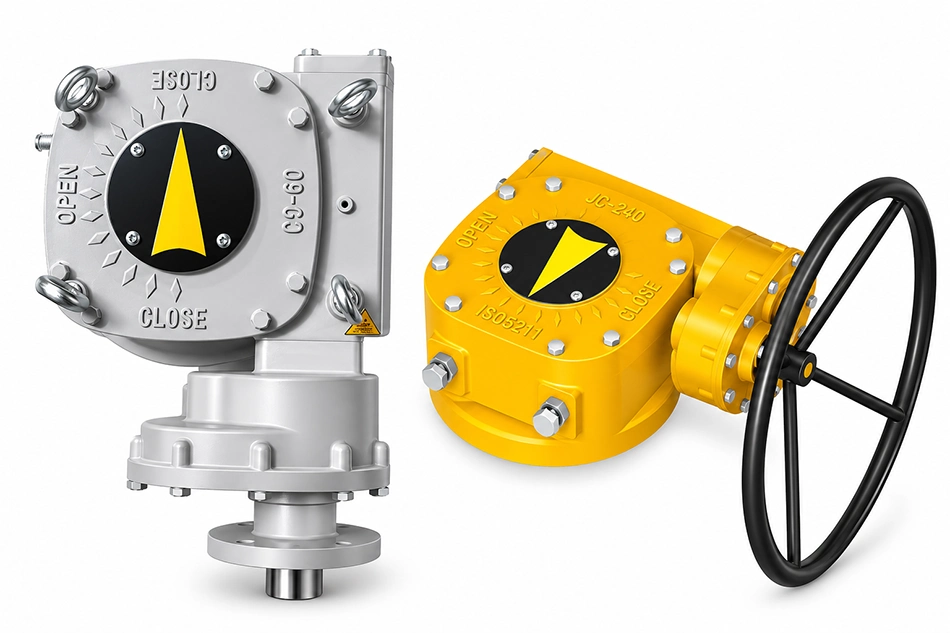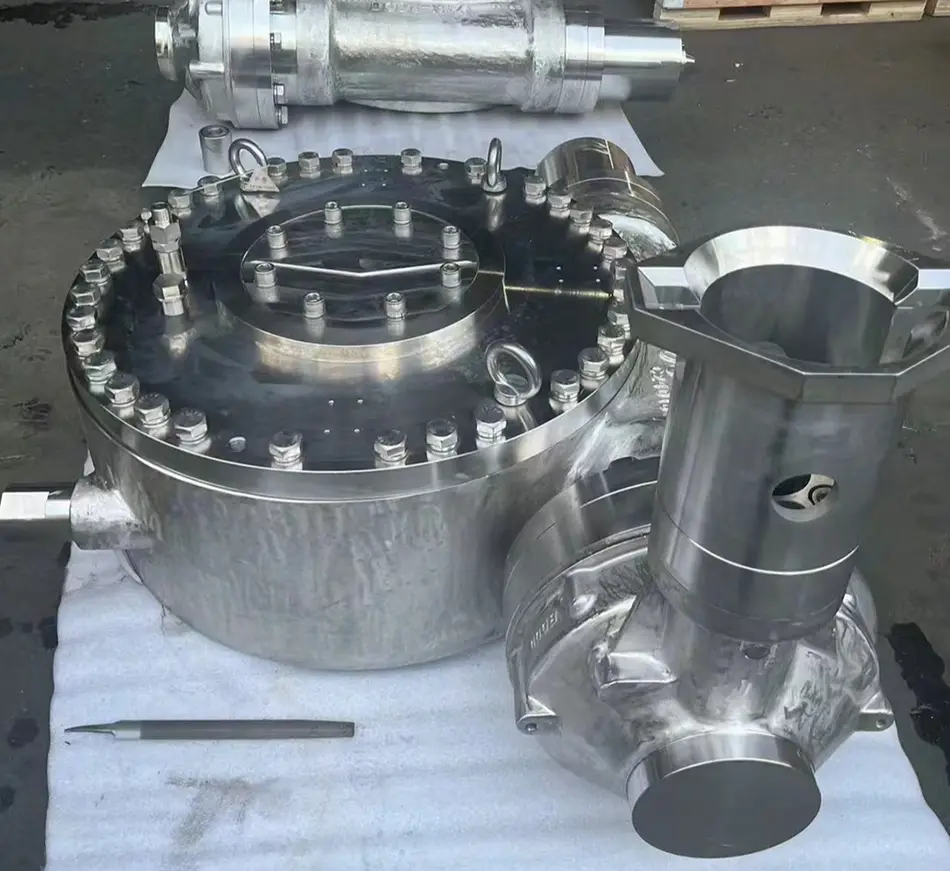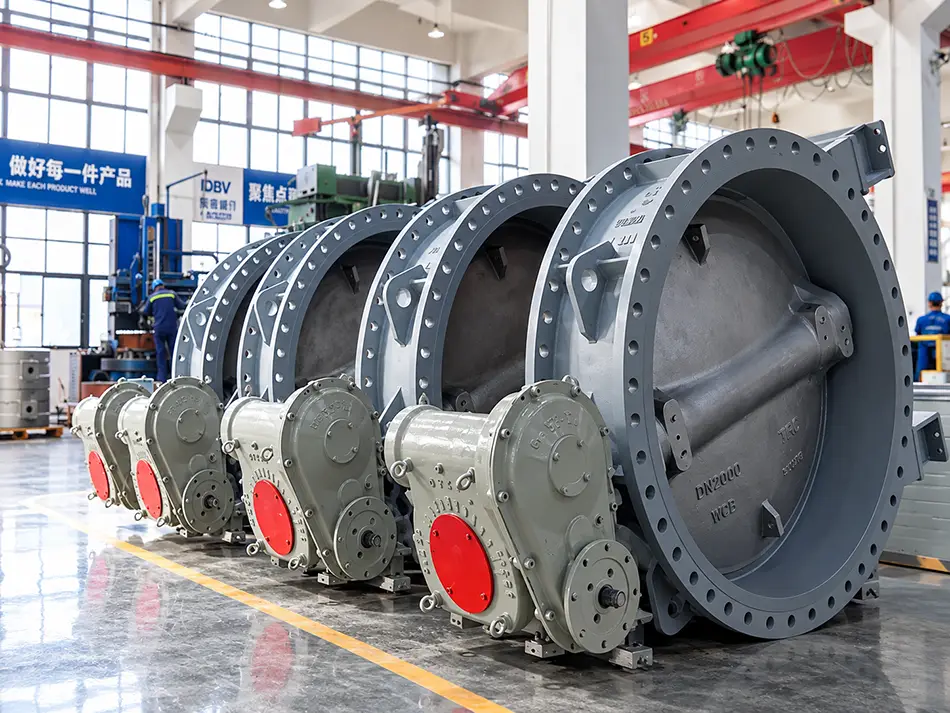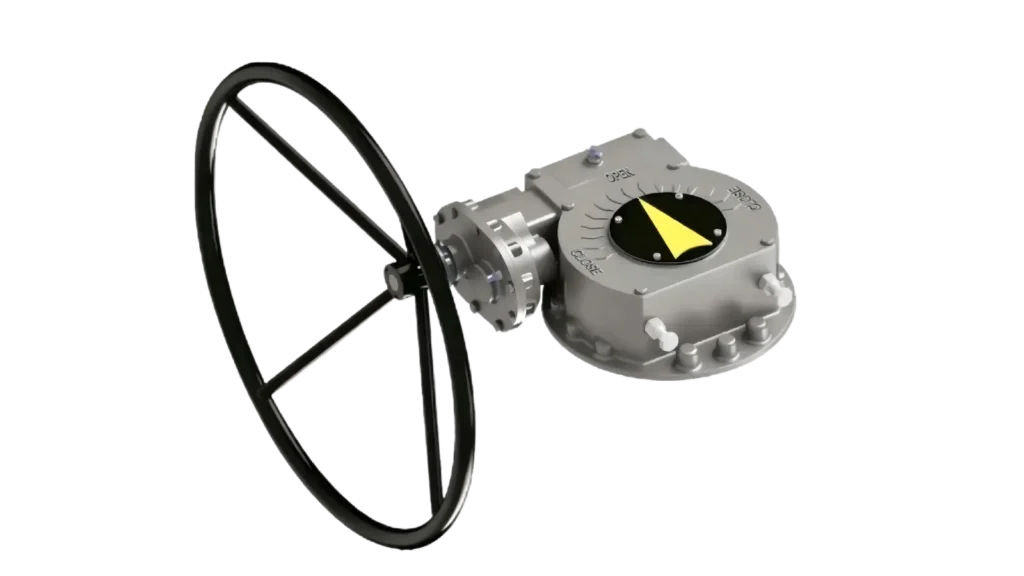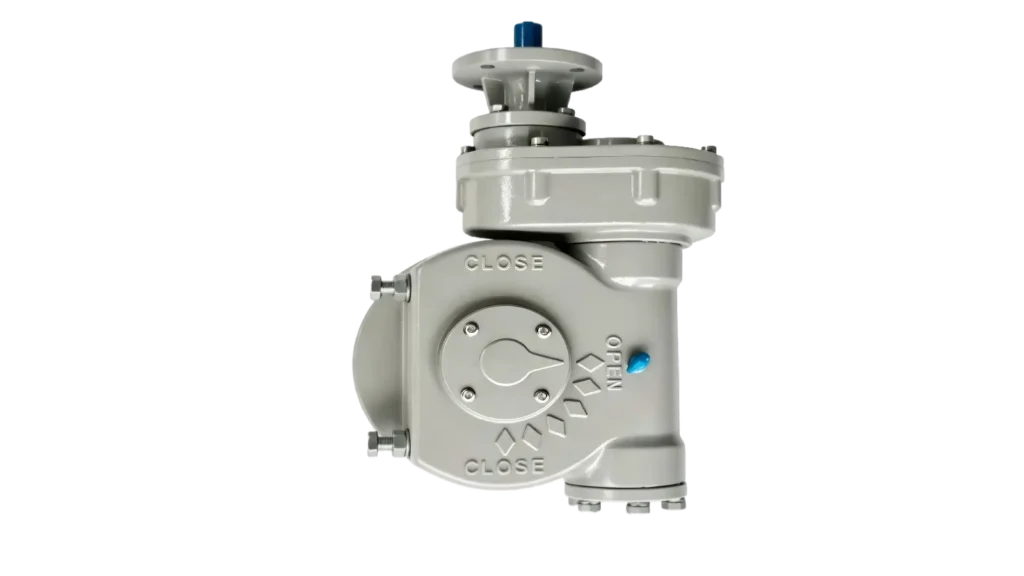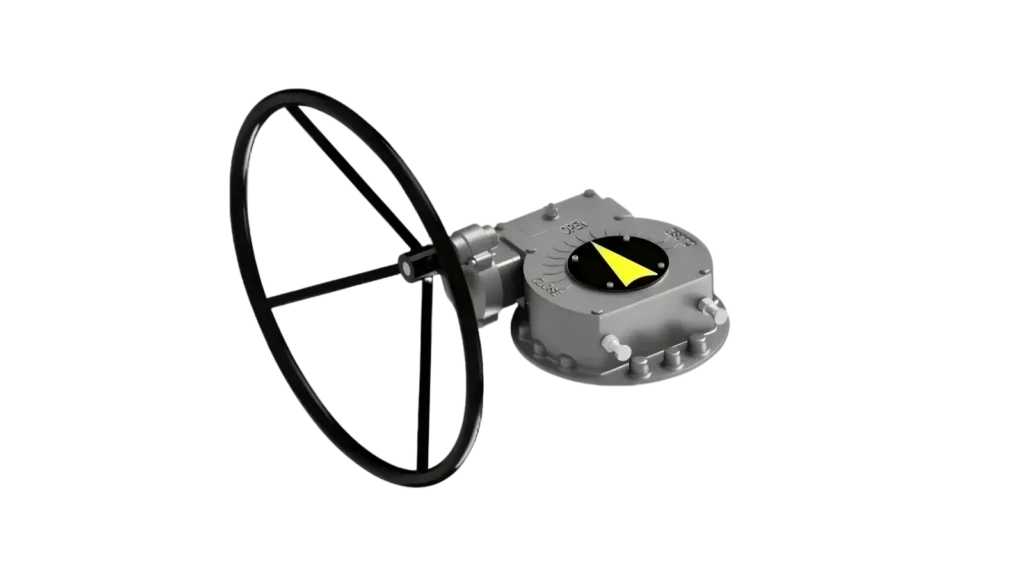
Sourcing a quarter-turn worm gearbox1 directly from a factory sounds straightforward — until it isn't. Buyers who skip the right qualification steps at the sourcing stage often discover the gap at the worst possible moment: after drawings are confirmed, after schedules are locked, and after the engineering mismatches have already cascaded into project delays.
Streamlining a direct-from-factory quarter-turn worm gearbox process is not primarily a logistics challenge. It is a risk-reduction decision. The buyers who get it right in 2026 will be those who resolve the engineering variables — torque range, valve interface, actuator compatibility, and documentation requirements — before the purchase order is placed, not after.
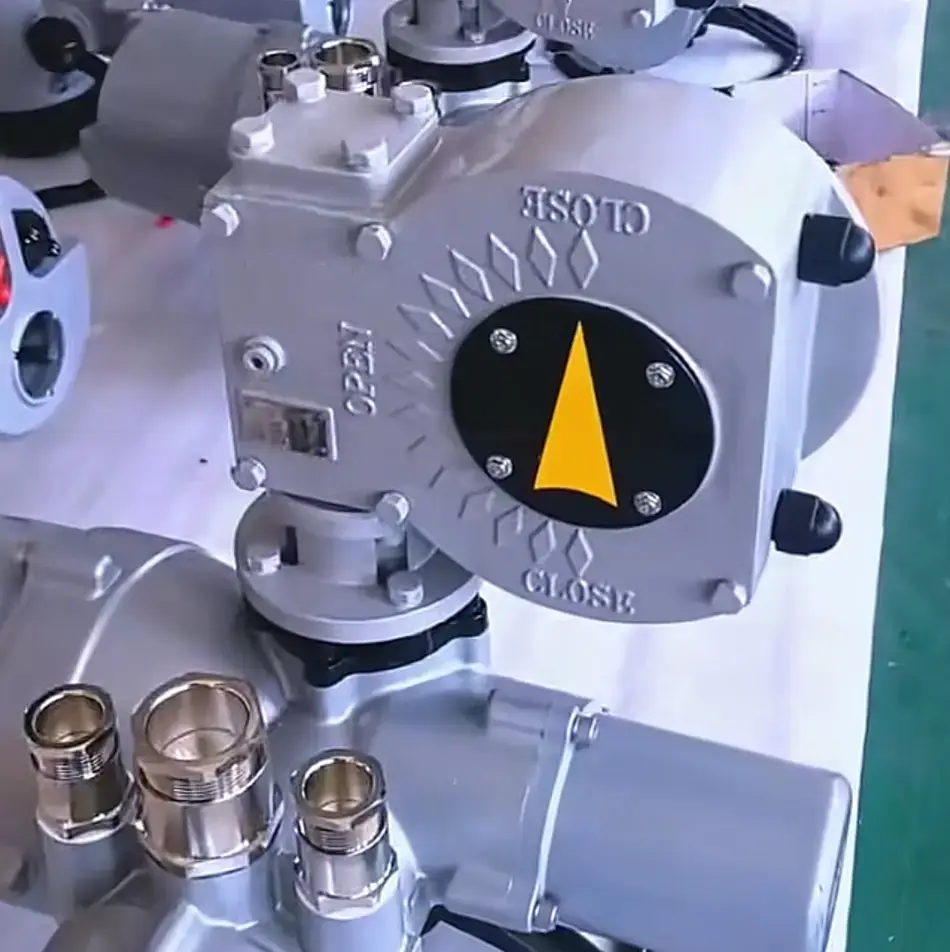
The sections below break down each layer of that decision: what to evaluate, where most sourcing processes break down, and how to structure a direct factory relationship that actually reduces procurement risk rather than adding a new layer of it.
What Does "Direct-from-Factory" Actually Mean for Quarter-turn Worm Gearboxes?
Many buyers enter a factory-direct conversation expecting price advantages and shorter lead times. What they find instead is that the communication complexity increases significantly — unless both sides arrive with their engineering requirements clearly resolved.
Direct-from-factory procurement for quarter-turn worm gearboxes means removing the intermediary layer between the buyer's engineering requirements and the manufacturer's production planning. This reduces cost and improves traceability — but only when torque requirements, dimensional standards, and documentation needs are aligned upfront. Without that alignment, the buyer absorbs the coordination risk that a distributor would otherwise carry.
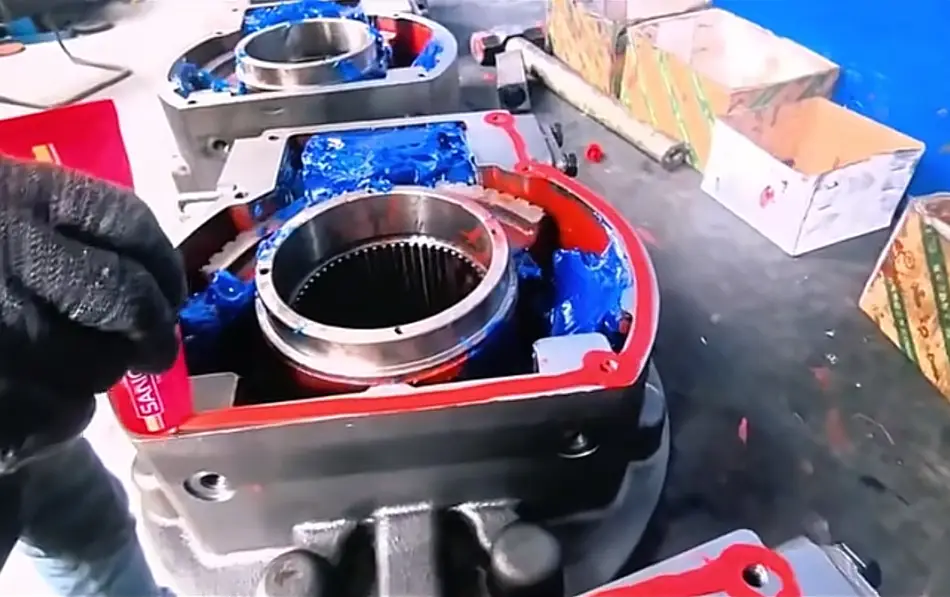
Understanding this distinction is what separates buyers who streamline their process from buyers who simply bypass a layer and add confusion elsewhere.
Why the "simpler supply chain" assumption fails
A pattern we see regularly in incoming inquiries: a purchasing manager contacts a gearbox factory directly, shares a rough torque value and a delivery date, and expects to receive a quotation that closes the sourcing question. It doesn't.
Here is what a mature direct-from-factory engagement actually requires before it becomes efficient:
- Torque confirmation — not catalog range, but application-specific torque at maximum differential pressure, including safety margin
- Valve interface verification — stem diameter, ISO 5211 flange pattern, and keyway dimensions aligned to the specific valve body
- Actuator compatibility check — whether the gearbox output interface matches an existing or planned electric, pneumatic, or hydraulic actuator
- Material and environment specification — ductile iron, cast iron, or stainless housing2; paint or coating requirements; temperature and media exposure
- Documentation scope — whether the buyer needs material certificates, inspection reports, dimensional records, or third-party test documentation
When these variables are unresolved at the inquiry stage, what looks like a streamlined direct relationship becomes a prolonged back-and-forth that delays procurement by weeks.
The distributor trade-off
This is worth stating plainly: distributors add cost, but they also carry coordination burden. When a buyer moves to direct factory procurement, that coordination burden transfers to the buyer's engineering or procurement team. Streamlining only works when that team is equipped to handle it — or when the factory has a capable engineering interface on their side.
| Factor | Through Distributor | Direct from Factory |
|---|---|---|
| Unit cost | Higher | Lower |
| Lead time | Usually shorter (stock) | Depends on production schedule |
| Technical communication | Intermediary-filtered | Direct — faster if aligned, slower if not |
| Documentation flexibility | Limited | Flexible — but requires clear request |
| OEM customization | Rarely available | Core capability |
| Quality traceability | Depends on distributor | Depends on factory QC process |
How Do You Evaluate a Quarter-turn Worm Gearbox Manufacturer Before Committing?
The most common procurement mistake we observe is using the wrong evaluation criteria at the wrong stage. Buyers compare catalogs and certifications at the beginning, then discover operational differences — documentation response time, drawing revision turnaround, delivery commitment reliability — only after the relationship has started.
Evaluating a quarter-turn worm gearbox manufacturer requires looking beyond product specifications and ISO certificates. The evaluation criteria that actually predict supplier performance are behavioral: how the factory handles non-standard requests, how quickly engineering drawings are confirmed, and whether quality documentation is treated as standard output or a special request.
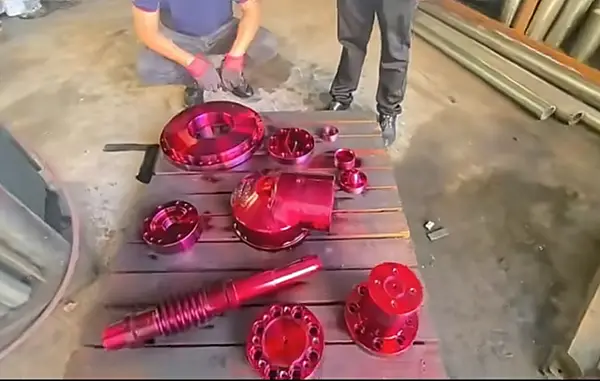
Specifications and certifications are table stakes. What distinguishes a reliable long-term manufacturing partner is observable in the early stages of technical communication.
Engineering communication quality
The first technical exchange with a gearbox manufacturer tells you more than their catalog. Watch for:
- Response accuracy — does their first reply address your actual torque and interface requirements, or does it redirect to standard catalog items?
- Proactive clarification — does the factory ask for valve details, application environment, and actuator interface before quoting, or do they quote immediately from partial data?
- Drawing quality — are dimensional drawings clean, complete, and ready for your engineering team to review?
From the inquiries we handle, buyers who receive careful clarification questions at the first contact stage almost always have a smoother project outcome than those who receive an immediate low price.
Quality control documentation as a signal
A manufacturer's willingness to share quality documentation — and the quality of what they share — tells you a great deal about their production discipline. The documentation types worth requesting during evaluation include:
- Material certificates (mill certificates for cast iron, ductile iron, or steel components3)
- Dimensional inspection records (not a general QC pass, but measured data against drawing tolerances)
- Torque test records where applicable
- Assembly inspection checklists
If a supplier hesitates, delays, or provides generic documents rather than part-specific records, that pattern will repeat itself throughout the project. Buyers should treat documentation responsiveness as a direct proxy for manufacturing consistency.
OEM and customization capability
For valve manufacturers and OEM partners, the ability to customize model configurations, branding, and actuator interfaces is not a premium — it is a baseline requirement. During evaluation, ask specifically:
- Can standard ISO 5211 flange patterns be modified for your valve stem dimensions?
- Is private labeling or neutral branding available?
- What is the minimum order quantity for a custom configuration?
- What is the lead time for first-article sample approval?
Suppliers who treat these as unusual requests are typically set up for catalog sales, not OEM cooperation.
What Engineering Variables Must Be Confirmed Before Placing a Gearbox Order?
This is where many direct-from-factory processes break down, even when the supplier is technically qualified. Incomplete engineering alignment at the order stage is one of the most consistent sources of post-delivery problems in this product category.
Before placing a quarter-turn worm gearbox order, buyers must confirm torque requirements at maximum operating load, ISO 5211 interface dimensions, input shaft configuration for manual or actuated operation, material and coating specifications, and the full documentation package required for project handover. Confirming these variables at order placement — not during production — is what makes the process genuinely streamlined.
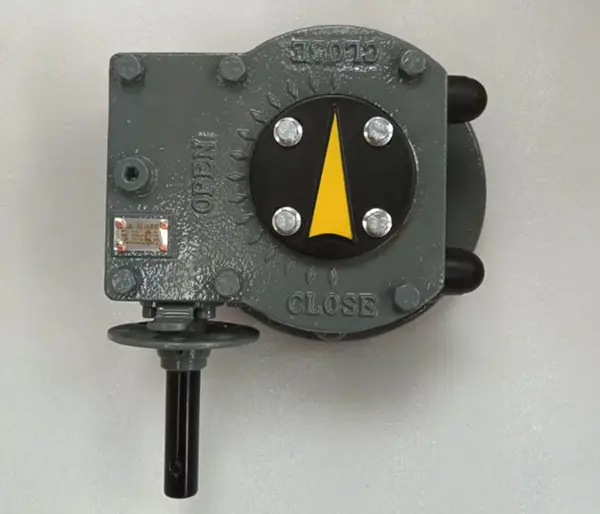
A specification sheet is not a substitute for engineering confirmation. The two documents serve different purposes.
Torque calculation — not just torque range
Catalog torque ranges describe what a gearbox model can handle. They do not tell you what your application actually requires. Before ordering, your engineering team should confirm:
- Breakaway torque — the torque required to open or close the valve from a static position
- Running torque — the torque required during valve travel
- Safety factor — typically 1.25 to 1.5× the calculated maximum torque, depending on application criticality
- Input torque — the handwheel force or actuator output required at the input shaft
A gearbox ordered on catalog range alone may technically fall within the rated capacity while still being undersized for the actual operating condition. This is one of the most common root causes of premature gearbox wear or field failure.
ISO 5211 compatibility — detail level matters
ISO 5211 defines mounting flange patterns for quarter-turn valve actuators and gearboxes, but the standard covers multiple flange sizes (F05 through F40 and beyond)4. Confirming "ISO 5211 compatible" is not sufficient. The confirmation should include:
- Specific flange size designation
- Stem bore diameter and tolerance
- Keyway dimensions (width, depth, length)
- Bolt circle diameter and thread specification
Dimensional drawings should be shared and signed off before production begins — not assumed from standard tables.
Actuator interface for electric or pneumatic operation
If the gearbox is intended for automated operation now or in future, the actuator interface must be resolved before manufacturing. Key dimensions include:
- Top mounting flange pattern (ISO 5211 size)
- Input shaft dimensions (diameter, keyway, length above mounting face)
- Handwheel removal — whether the input shaft is accessible for direct actuator coupling
Retrofitting an actuator interface after delivery is expensive. Confirming it before production costs nothing.
How Does the 2026 Procurement Environment Affect Direct-from-Factory Gearbox Sourcing?
Supply chain conditions in 2026 are adding pressure to sourcing decisions that would have been straightforward a few years ago. From what we observe across inquiries from Europe, the Middle East, and Southeast Asia, the context has genuinely shifted.
In 2026, direct-from-factory quarter-turn worm gearbox procurement is increasingly shaped by regional compliance requirements, supply chain consolidation pressure, and longer project lead times. Buyers in these conditions need manufacturing partners who can commit to stable production schedules, consistent documentation, and traceable quality evidence — not just competitive unit pricing at the time of inquiry.
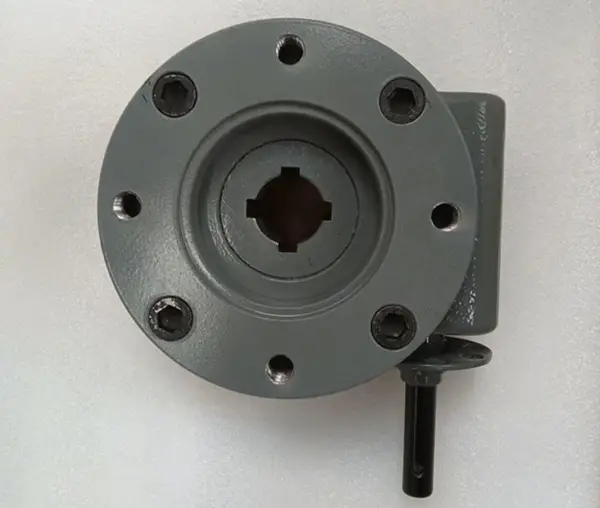
This is industry-observed context, not a TFC-specific data point — but it maps directly to how buyers are framing their supplier evaluation conversations.
Regional compliance and documentation pressure
European buyers in particular are facing tighter project documentation requirements, driven partly by infrastructure project governance standards and partly by increasing attention to supply chain traceability5. What this means practically:
- Material declarations and certificates are increasingly required at the component level, not just the assembly level
- Country-of-origin documentation is requested more frequently by EPC contractors and end clients
- CE marking expectations for valve package assemblies are trickling down to gearbox suppliers6
For Middle East project markets, similar pressures are emerging around third-party inspection (TPI) requirements and project-specific quality plans7. Suppliers who are not already operating with structured documentation outputs will struggle to meet these requirements without significant delays.
Production schedule stability
One pattern we observe regularly in 2025–2026 inquiries: buyers are extending their forecast horizon. Where a valve manufacturer might previously have placed quarterly reorders, they are now seeking frame agreements or annual volume commitments8 — partly to secure production slots, partly to reduce the administrative overhead of repeated sourcing cycles.
This shift rewards suppliers who can commit to:
- Stable lead times — not just quoted lead times, but demonstrated delivery consistency across multiple orders
- Production slot reservation for long-term OEM accounts
- Engineering change management — the ability to absorb minor specification adjustments without restarting lead time
Buyers evaluating new gearbox suppliers in 2026 should ask directly: how does the factory handle production planning for repeat customers, and what does the reorder process look like after the first order?
Frequently Asked Questions
What is the typical lead time for a quarter-turn worm gearbox ordered direct from factory?
Lead times vary by model complexity, order volume, and factory production load. Standard catalog configurations typically require 3 to 6 weeks from drawing confirmation9. Custom configurations, OEM branding, or non-standard interfaces add time. Buyers should confirm current lead times directly and request a production schedule commitment at the order stage.
How do I verify a gearbox manufacturer's quality without visiting the factory?
Request part-specific documentation rather than generic certificates. Dimensional inspection records, torque test reports, and material mill certificates tied to specific production batches are the most reliable remote indicators of manufacturing discipline. A factory that produces these documents as standard practice — rather than on special request — demonstrates consistent process control.
Is ISO 5211 compliance the same across all gearbox manufacturers?
The ISO 5211 standard defines flange sizes and mounting patterns, but dimensional interpretation and tolerance application vary between manufacturers. Always confirm specific flange size, stem bore diameter, keyway dimensions, and bolt circle specifications against your valve drawing — do not assume interchangeability from standard designation alone.
What documentation should I request before approving a gearbox supplier for long-term OEM cooperation?
At minimum: representative dimensional drawings for the intended model range, material certificates for a recent production batch, a sample inspection report, and confirmation of the factory's OEM cooperation terms (branding, model configuration, minimum quantities, lead time for first article). A factory visit or audit is advisable for high-volume or project-critical relationships.
How do I reduce re-engineering risk when switching gearbox suppliers mid-project?
The highest-risk transition point is dimensional compatibility. Request a direct dimensional comparison between the outgoing and incoming gearbox models before committing — specifically valve interface dimensions, mounting footprint, and handwheel clearance. Engage both engineering teams early. A sample verification stage before full-volume production is strongly recommended.
Conclusion
Streamlining a quarter-turn worm gearbox direct-from-factory process in 2026 is fundamentally a risk management exercise. The buyers who do it well are those who resolve their engineering variables — torque requirements, ISO 5211 interface dimensions, actuator compatibility, and documentation scope — before production begins, not after. Certification documents and catalog specifications look identical across suppliers; what actually differentiates a reliable manufacturing partner is observable in engineering communication quality, documentation discipline, and how they handle non-standard requests under real project pressure.
The 2026 procurement environment adds further weight to getting this right. Regional compliance demands, supply chain consolidation, and longer project horizons mean that a direct factory relationship built on engineering alignment is genuinely more resilient than one built on price alone.
If you are evaluating gearbox suppliers for a 2026 project or long-term OEM cooperation, we welcome the technical conversation. Share your torque requirements, valve interface details, and application environment — and we will respond with engineering-specific answers rather than a catalog page.
"How It Works: Gears", https://www.slb.com/resource-library/article/valve-insights/how-it-works-gears. Worm gear drives, as described in mechanical engineering references including Shigley's Mechanical Engineering Design and the Encyclopedia Britannica, provide high reduction ratios in a compact form and exhibit self-locking behavior under back-driving loads, making them well-suited for quarter-turn valve actuation where position holding without continuous actuator power is required. Evidence role: definition; source type: encyclopedia. Supports: That worm gearboxes are a standard and well-characterized mechanism for quarter-turn valve operation, valued for their high gear ratio, compact form factor, and inherent self-locking properties. Scope note: Self-locking behavior in worm gears depends on lead angle and friction coefficient and is not absolute; engineering references should be consulted for application-specific verification. ↩
"Cast Iron Standards", https://store.astm.org/products-services/standards-and-publications/standards/cast-iron-standards.html. Engineering references such as Shigley's Mechanical Engineering Design and materials standards from ASTM (e.g., ASTM A536 for ductile iron, ASTM A48 for gray cast iron) confirm that these materials are widely used for industrial gearbox and valve component housings, selected based on load, environment, and corrosion requirements. Evidence role: general_support; source type: encyclopedia. Supports: That ductile iron, gray cast iron, and stainless steel are standard material choices for industrial gearbox housings, each with distinct mechanical and corrosion-resistance properties. Scope note: Material selection guidance in general engineering references may not address the specific dimensional or pressure-rating requirements of quarter-turn valve gearboxes; application-specific standards should be consulted. ↩
"What is the Difference Between EN 10204 3.1 and 3.2 ...", https://hollandapt.com/what-is-the-difference-between-en-10204-3-1-and-3-2-inspection-certificates/. EN 10204:2004, 'Metallic products — Types of inspection documents,' defines the types of material test reports (including Type 3.1 and 3.2 certificates) that are widely required by industrial procurement specifications for cast and wrought metallic components used in valve and gearbox manufacturing. Evidence role: definition; source type: institution. Supports: That material test reports (mill certificates) are a recognized and standardized documentation requirement for metallic industrial components, defined under standards such as EN 10204. Scope note: The specific certificate type required (e.g., 3.1 vs. 3.2) depends on the project specification and end-use application; EN 10204 provides the framework but does not mandate which type applies to gearbox housings specifically. ↩
"INTERNATIONAL STANDARD ISO 5211", https://cdn.standards.iteh.ai/samples/62594/99f2c2aed9e24049bf1985c541d19143/ISO-5211-2017.pdf. ISO 5211:2017, 'Industrial valves — Part-turn actuator attachment,' specifies the dimensions and requirements for the attachment of part-turn actuators to industrial valves, covering flange sizes from F03 to F48 depending on torque class. Evidence role: definition; source type: institution. Supports: That ISO 5211 is the governing standard for part-turn actuator mounting interfaces and defines a range of flange sizes including F05 through F40. Scope note: The article states 'F05 through F40 and beyond'; the actual standard scope should be verified against the current edition of ISO 5211, as flange designations and coverage may differ from the article's summary. ↩
"Corporate Sustainability Due Diligence Directive", https://en.wikipedia.org/wiki/Corporate_Sustainability_Due_Diligence_Directive. The European Union's Corporate Sustainability Due Diligence Directive (CS3D) and related supply chain transparency initiatives have progressively expanded documentation obligations for industrial component suppliers operating in or supplying to EU markets. Evidence role: historical_context; source type: government. Supports: That European regulatory and procurement frameworks are increasing documentation and traceability requirements for industrial supply chains. Scope note: The article does not specify which regulation or directive is driving the observed trend; the cited regulatory context is general and may not apply uniformly to all gearbox procurement scenarios described. ↩
"Q&A on EC Directives", https://www.smcworld.com/overseas/international/en-ph/ce/print/ce_qa.html. Under the EU Machinery Directive 2006/42/EC (and its successor, EU Machinery Regulation 2023/1230), machinery assemblies including valve actuator packages may require CE marking, which can impose conformity documentation requirements on sub-component suppliers such as gearbox manufacturers. Evidence role: mechanism; source type: government. Supports: That CE marking obligations under EU directives such as the Machinery Directive or Pressure Equipment Directive can extend to gearbox components used in valve assemblies. Scope note: Whether CE marking obligations apply to a specific gearbox depends on its role in the final assembly and the applicable directive; this citation provides regulatory context rather than a definitive ruling on gearbox-level CE requirements. ↩
"Aramco & ADNOC Valve Manufacturing Standards", https://gccvalves.com/manufacturing-standards/. Major Middle East project operators, including Saudi Aramco and ADNOC, publish vendor qualification and inspection requirements that mandate third-party inspection (TPI) and project-specific Inspection and Test Plans (ITPs) for critical valve and actuation components as part of their Materials System Specifications. Evidence role: historical_context; source type: institution. Supports: That major Middle East energy project operators and EPC contractors require third-party inspection and documented quality plans for valve and actuation components. Scope note: TPI requirements vary significantly by project, operator, and component criticality class; the cited context reflects common practice among major national oil companies and may not apply to all Middle East procurement scenarios. ↩
"Building Resilient Supply Chains: Strategies and ...", https://www.nist.gov/blogs/manufacturing-innovation-blog/building-resilient-supply-chains-strategies-and-successes. Supply chain resilience research published following the 2020–2022 global supply disruptions, including reports from institutions such as the McKinsey Global Institute and academic supply chain journals, documents a measurable shift among industrial buyers toward longer-term supplier commitments and frame agreements as a risk mitigation strategy. Evidence role: historical_context; source type: research. Supports: That industrial buyers have been extending procurement horizons and increasing use of long-term frame agreements as a supply chain resilience strategy following recent supply chain disruptions. Scope note: The cited trend is documented at a broad industrial level; whether it applies specifically to valve gearbox procurement in the article's target markets would require sector-specific survey data not currently available in public literature. ↩
"Stocked vs. Assembled vs. Modified vs. Custom Units", https://industrialgearboxsupply.com/blog/gearbox-lead-times-explained-stocked-vs-assembled-vs-modified-vs-custom-units?srsltid=AYCX9vJz45iKqr-DdvKMQ6MAYRlystW7qb_vzhwu7a74DG1MASryWbG8. Industry procurement surveys and manufacturer capability statements for standard industrial gearbox configurations commonly cite lead times in the range of 3–8 weeks for non-customized models, depending on factory load and component availability at the time of order. Evidence role: general_support; source type: other. Supports: That standard industrial gearbox configurations are commonly produced within a 3–6 week window from order confirmation. Scope note: Lead times are highly variable by manufacturer, order volume, and market conditions; the 3–6 week figure cited in the article should be verified directly with the specific supplier and is not a guaranteed industry standard. ↩