
ENGINEERING RELIABILITY PLATFORM
Heavy-duty Valve Gearboxes
Engineered for extreme torque. Built for long-term reliability.
Heavy-duty does not mean simply larger or heavier. It means the housing, bearings, gears, shafts, sealing and lubrication are engineered as one integrated transmission system for sustained loads, severe duty cycles and decades of service.
CATEGORY PRODUCT RANGE
Explore Heavy-duty Gearbox Products
Compare heavy-duty platforms by torque, duty class, ratio, valve application and engineering interface. Final selection should consider sustained load, operating frequency, environment and lifecycle requirements.
- Travel
- 90° / 180° / 270° / 360° Limited Rotation
- Operation
- manual_and_actuator_ready
- Application
- Quarter-turn valve gearbox
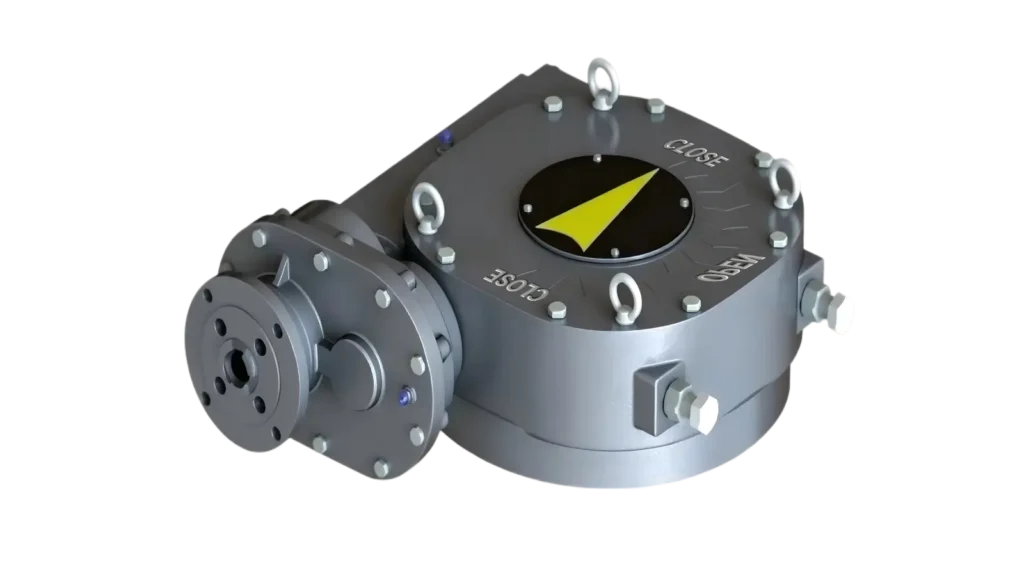 AL Platform
- Travel
- 90° / 180° / 270° / 360° Limited Rotation
- Operation
- manual_and_actuator_ready
- Application
- Quarter-turn valve gearbox
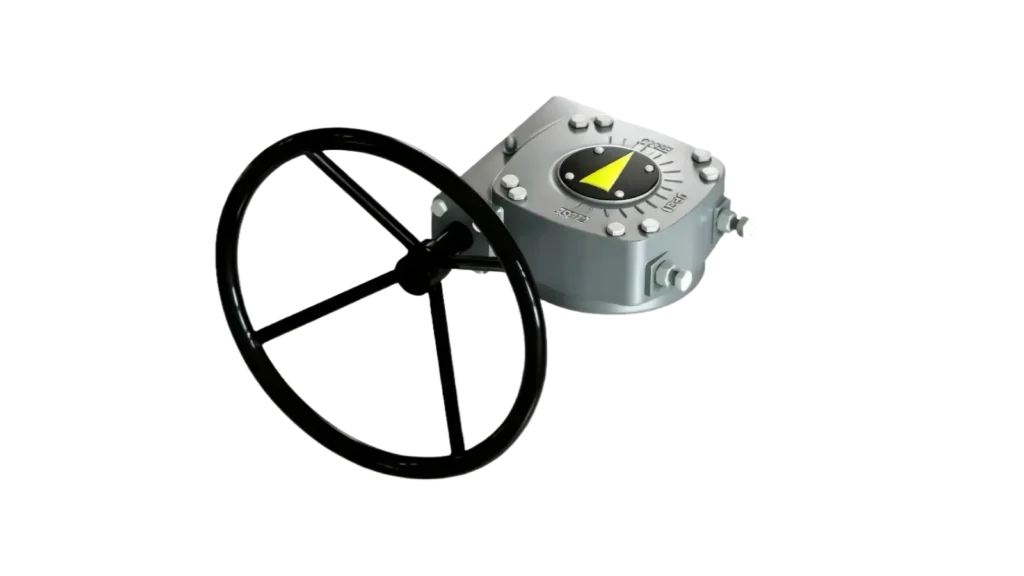 AL Platform
- Travel
- 90° / 180° / 270° / 360° Limited Rotation
- Operation
- manual
- Application
- Quarter-turn valve gearbox
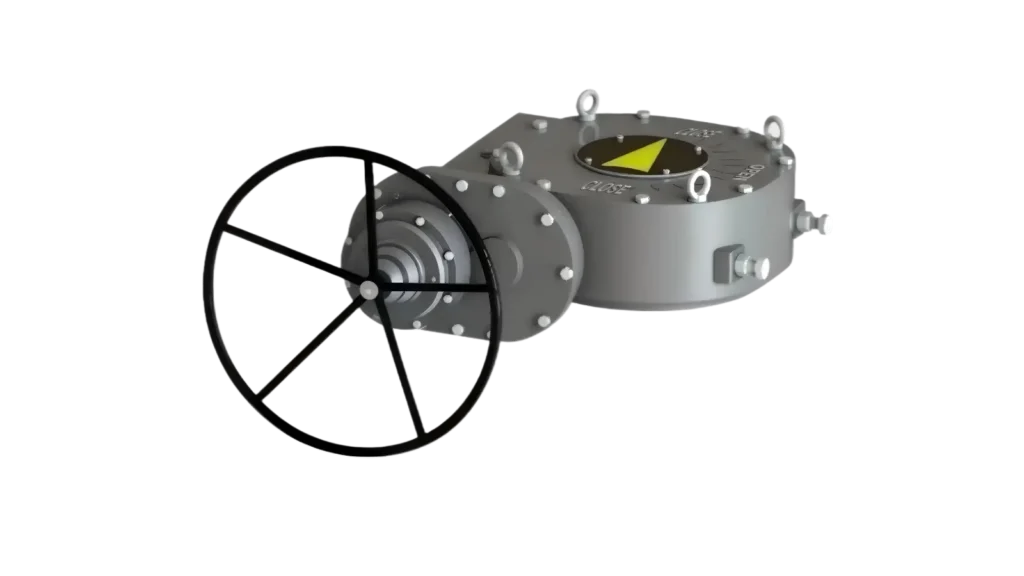 AL Platform
- Travel
- 90° / 180° / 270° / 360° Limited Rotation
- Operation
- manual
- Application
- Quarter-turn valve gearbox
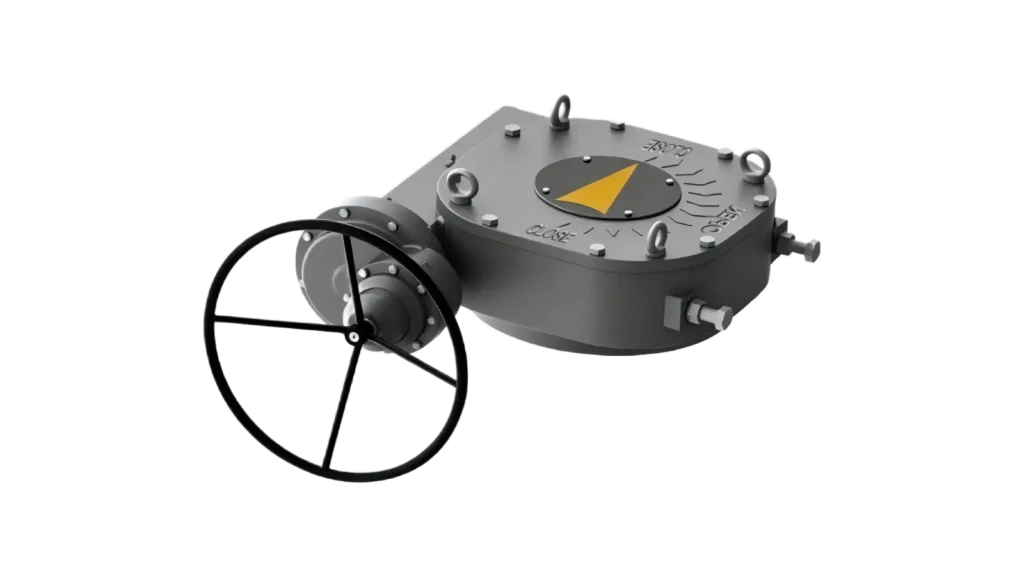 AL Platform
- Travel
- 90° / 180° / 270° / 360° Limited Rotation
- Operation
- manual
- Application
- Quarter-turn valve gearbox
ENGINEERING DEFINITION
What Is a Heavy-duty Valve Gearbox?
Heavy-duty is not defined by weight or physical size. It reflects a coordinated design approach that strengthens housing rigidity, bearing capacity, gear durability, shaft support, sealing, lubrication and engineering safety margins.
The objective is not simply to achieve a high peak torque, but to maintain stable torque transmission throughout the complete service life of the valve operating system.
SEVERE SERVICE APPLICATIONS
Where Heavy-duty Gearboxes Are Required
Heavy-duty platforms are selected where sustained loads, demanding environments and long service expectations make standard-duty transmission insufficient.
Oil, Gas & Petrochemical
Large isolation and process valves require stable torque transmission under pressure, vibration and extended service intervals.
Hydropower & Water Control
Large butterfly valves, spherical valves and penstocks operate under substantial hydraulic loads and demanding structural conditions.
Mining, Power & Steel
Abrasive media, high cycling, elevated temperatures and vibration demand enhanced structural and transmission reliability.
Water Transmission, Marine & Offshore
Critical infrastructure and corrosive environments require dependable operation, robust sealing and long maintenance intervals.
WHY HEAVY-DUTY MATTERS
Standard Gearboxes May Lose Reliability Under Severe Duty
Heavy-duty engineering addresses cumulative failure mechanisms before they become operational problems.
Bearing Fatigue
Insufficient bearing capacity or uneven load distribution gradually reduces shaft stability.
Gear Tooth Wear
Repeated contact stress and poor load distribution accelerate surface wear and reduce efficiency.
Housing Deflection
Structural deformation influences gear alignment, bearing position and load transfer.
Shaft Bending
Inadequate support increases deflection, alignment error and long-term fatigue risk.
Seal & Lubrication Degradation
Contamination, heat and extended service intervals reduce protection and accelerate wear.
ENGINEERING RELIABILITY PLATFORM
Heavy-duty Reliability Across GL, AL and SN
Each platform is configured according to duty class, valve load, operating frequency, environment and lifecycle objective.
Standard Heavy-duty Platform
For general industrial valves requiring enhanced structural stability and dependable long-term operation.
- Reinforced Housing
- Stable Bearing Support
- Optimized Gear Geometry
- Standard Industrial Duty
Advanced Severe-duty Platform
For infrastructure and industrial systems requiring greater bearing capacity, customized interfaces and severe-duty engineering.
- Large-capacity Bearings
- Enhanced Shaft Support
- Heat-treated Components
- Severe Service Review
Extreme-duty Engineering Platform
For major hydropower, mining, power, offshore and ultra-high torque applications requiring maximum reliability.
- Extreme Structural Rigidity
- High Safety Factors
- Custom Materials & Interfaces
- 850,000+ Nm Platform
DUTY CLASS SELECTION
Select by Operating Conditions, Not Torque Alone
Correct selection balances peak torque, sustained load, cycling frequency, structural demands, environment and service-life objectives.
Define Valve & Load
Confirm valve type, breakaway torque, running torque, seating torque, pressure differential and dynamic loads.
Establish Duty Cycle
Review operating frequency, cycle duration, emergency operation and expected lifetime cycles.
Evaluate Environment
Assess temperature, corrosion, dust, moisture, vibration and maintenance accessibility.
Choose Duty Class
Select Standard Duty, Heavy-duty, Severe Service or Extreme Duty according to actual risk and lifecycle targets.
Verify Interfaces
Confirm mounting flange, shaft connection, actuator interface, handwheel arrangement and installation envelope.
Approve Engineering Data
Freeze drawings, materials, ratios, inspection scope, safety factors and traceability before production.
ENGINEERING RELIABILITY SYSTEM
Every Subsystem Supports Long-term Performance
Heavy-duty reliability is created by the controlled interaction of structure, transmission, bearings, shafts, sealing and lubrication.
Structural System
High-rigidity housings preserve gear alignment and bearing position under heavy mechanical loads.
Transmission System
Optimized gear geometry and appropriate materials distribute loads and reduce localized stress.
Bearing & Shaft System
Large-capacity bearings and reinforced shafts improve alignment, fatigue resistance and torque stability.
Protection System
Sealing and long-life lubrication protect internal components and extend maintenance intervals.
DUTY CLASS & RELIABILITY DESIGN
Match the Gearbox to the Real Operating Duty
Duty classification should reflect load, cycling, environment and lifecycle expectations rather than maximum torque alone.
Standard Duty
General industrial applications with moderate operating loads and conventional service intervals.
Heavy-duty
Enhanced structural design for sustained high loads and extended service life.
Severe Service
Reinforced systems for harsh environments, frequent cycling and demanding mechanical conditions.
Extreme Duty
Custom-engineered platforms for ultra-high torque and critical infrastructure.
Safety Margin
Accounts for variable loads, future wear, dynamic effects and operating uncertainty.
Lifecycle Target
Defines bearing life, lubrication strategy, inspection scope and repeat-production requirements.
MANUFACTURING & QUALITY ASSURANCE
Structural Integrity and Transmission Accuracy Verified Before Release
Quality is built into material verification, machining, heat treatment, bearing installation, assembly, load verification and traceability.
Material Verification
Confirm housing, shaft, gear and bearing materials against approved engineering requirements.
Precision Machining
Verify gear engagement, bearing seats, shaft alignment and critical interface dimensions.
Heat Treatment Verification
Review hardness, process records and dimensional stability of critical transmission components.
Functional & Load Testing
Confirm smooth operation, transmission stability, assembly integrity and project-specific load performance.
Final Inspection
Verify lubrication, sealing, fasteners, identification, documentation and configuration conformity.
Traceability
Maintain product identity, revision history, inspection records and repeat-production continuity.
ENGINEERING RESOURCES
Documents for Heavy-duty Gearbox Selection
Technical resources support duty assessment, interface approval, installation and lifecycle management.
Product Catalogue
Heavy-duty platform overview and torque ranges.
Technical Datasheets
Torque, ratio, duty class and interface information.
General Arrangement Drawings
Mounting dimensions, shaft interfaces and installation envelope.
Installation & Maintenance
Commissioning, inspection, lubrication and service guidance.
Material & Inspection Records
Material verification, testing and traceability documentation.
OEM Engineering Package
Controlled configurations, revisions and repeat-production data.
OEM HEAVY-DUTY ENGINEERING
Build a Reliable Gearbox Platform Around Your Valve Family
TFC supports OEM valve manufacturers with duty assessment, torque optimization, interface development and long-term configuration management.
Duty Class Assessment
Operating loads, frequency, environment and lifecycle objectives reviewed as one system.
Customized Transmission
Torque, ratios, bearings, shafts, mounting interfaces, materials and coatings configured to suit the application.
Engineering Documentation
Datasheets, GA drawings, material records, inspection reports and maintenance instructions.
Lifecycle Configuration Management
Controlled revisions, repeat production, traceability and long-term OEM continuity.
KNOWLEDGE CENTER
Continue Learning About Heavy-duty Gearbox Engineering
Planned engineering articles strengthen the reliability, lifecycle and severe-service knowledge cluster.
CONTINUE THROUGH THE PLATFORM
Related Gearbox Categories
ENGINEERING FAQ
Heavy-duty Gearbox Questions Engineers Commonly Ask
RELIABILITY BEFORE PRODUCTION
Build Your Heavy-duty Valve Platform with Greater Engineering Confidence
Share the valve type, torque profile, duty cycle, operating environment, interface dimensions and lifecycle requirements. TFC will review the complete transmission system before production.