Reliability Built Through Engineering
Reliable valve gearboxes are not created by a single final inspection. They are built through engineering review, controlled manufacturing, operational verification and traceable records. TFC treats reliability as a complete production chain, from material preparation to final documentation, so every gearbox can support stable torque transmission in real valve applications.
Reliability Is a Controlled Process
Reliability begins before production and continues through every manufacturing stage. A gearbox may look simple from the outside, but its long-term performance depends on design logic, material consistency, machining accuracy, assembly control and verified operation. TFC uses this page to show the process behind dependable gearbox supply, not to make unsupported claims.
Continue Reading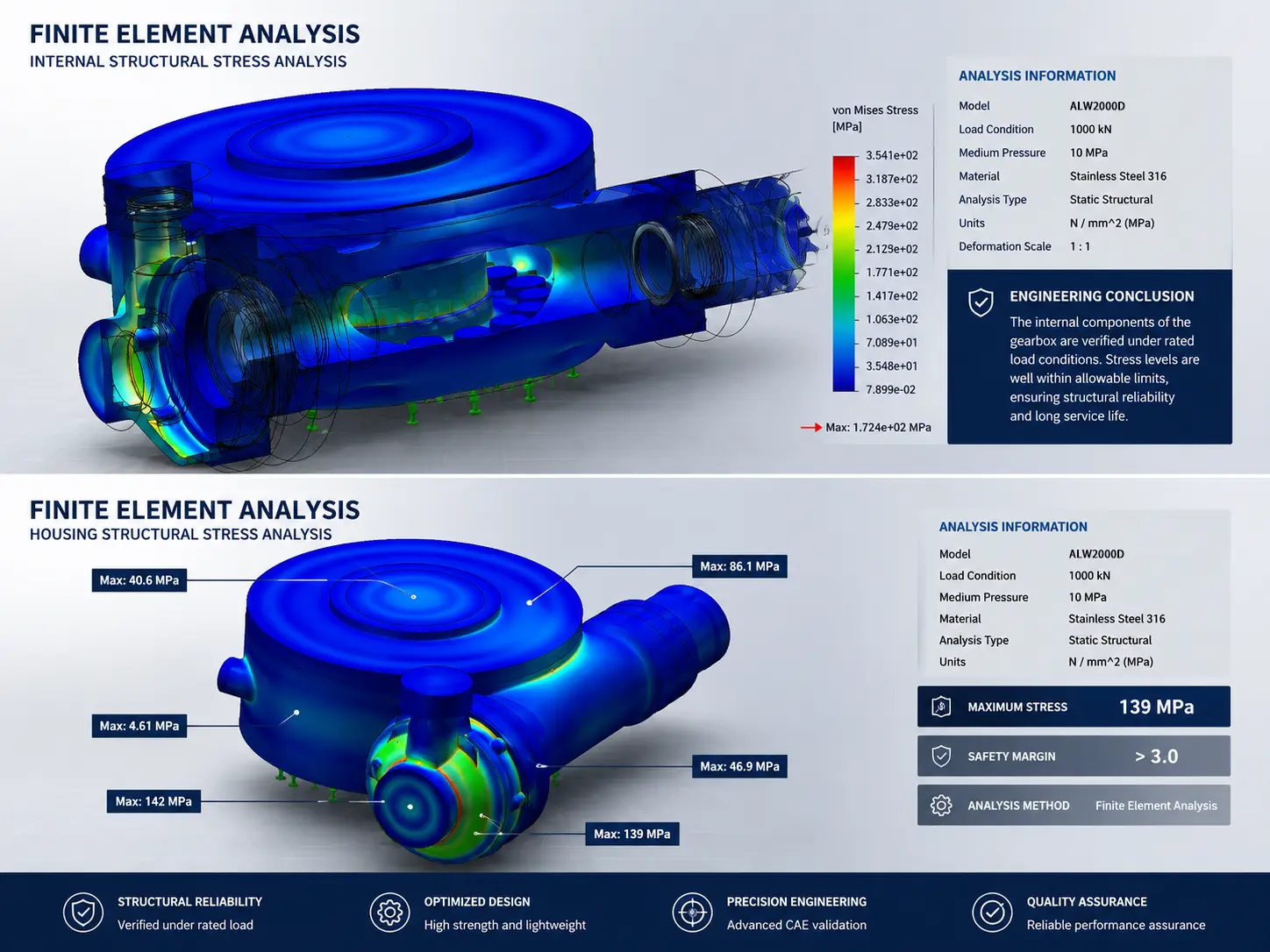
Engineering Before Production
Every reliable gearbox starts with engineering judgement before machining begins. Design review helps confirm component layout, load path, interface compatibility and manufacturability. By checking these points early, TFC reduces production uncertainty and supports repeatable gearbox performance across batches and OEM cooperation.
Materials Selected for Industrial Service
Material selection is not only a matter of meeting a grade on paper. For valve gearboxes, materials must match torque demand, operating environment, corrosion exposure, wear behaviour and expected service life.
Stable Driving
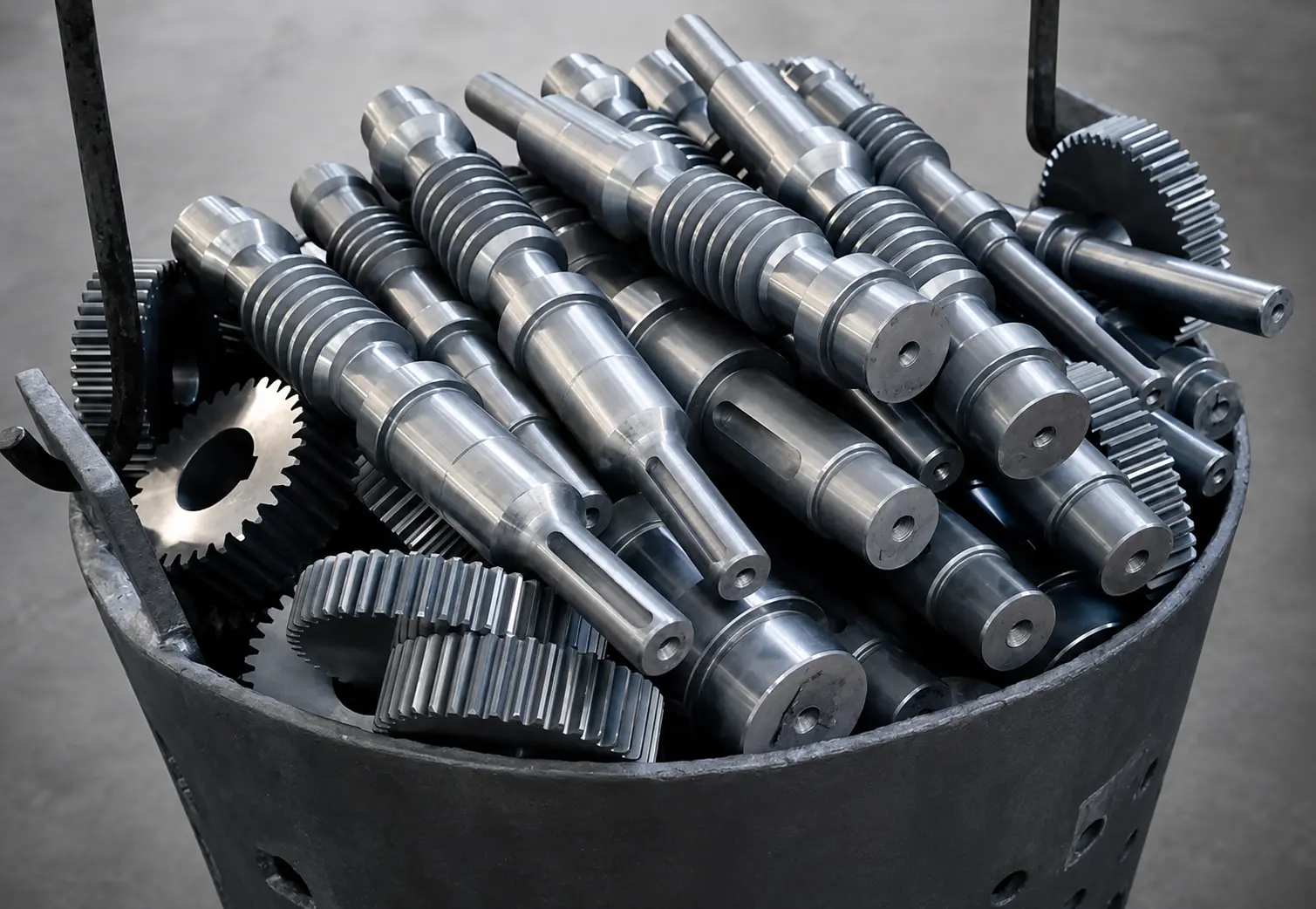
The worm shaft must support stable driving and repeatable input movement under real valve operation.
Torque Transfer
The worm wheel must support smooth torque transfer and consistent transmission behaviour.
Structural Alignment
The housing must maintain structural alignment and interface stability during long-term service.
Verified Before Manufacturing
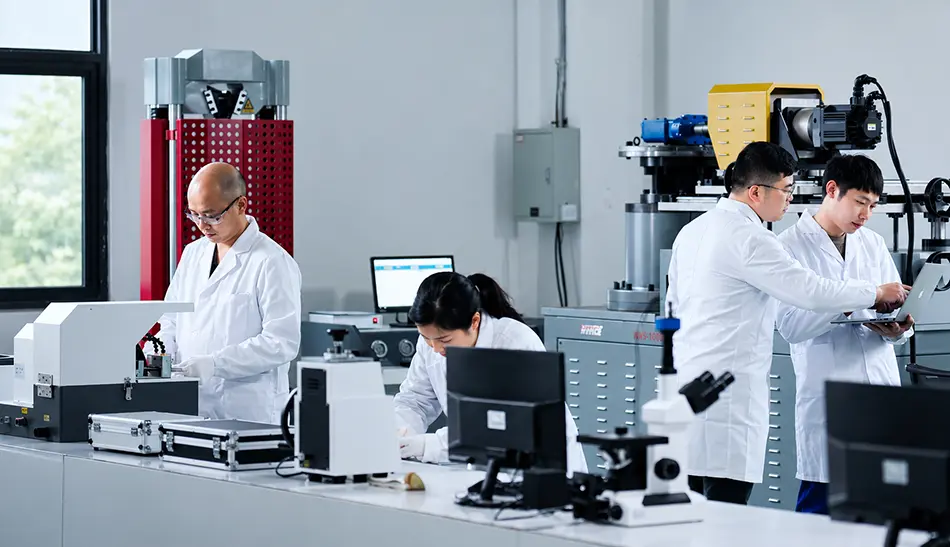
Manufacturing reliability starts before the first machining step. Incoming materials and key components are checked before entering production to support consistency, traceability and conformity with project requirements. This early control helps reduce downstream production risk and gives every gearbox a documented starting point.
Controlled Material Performance
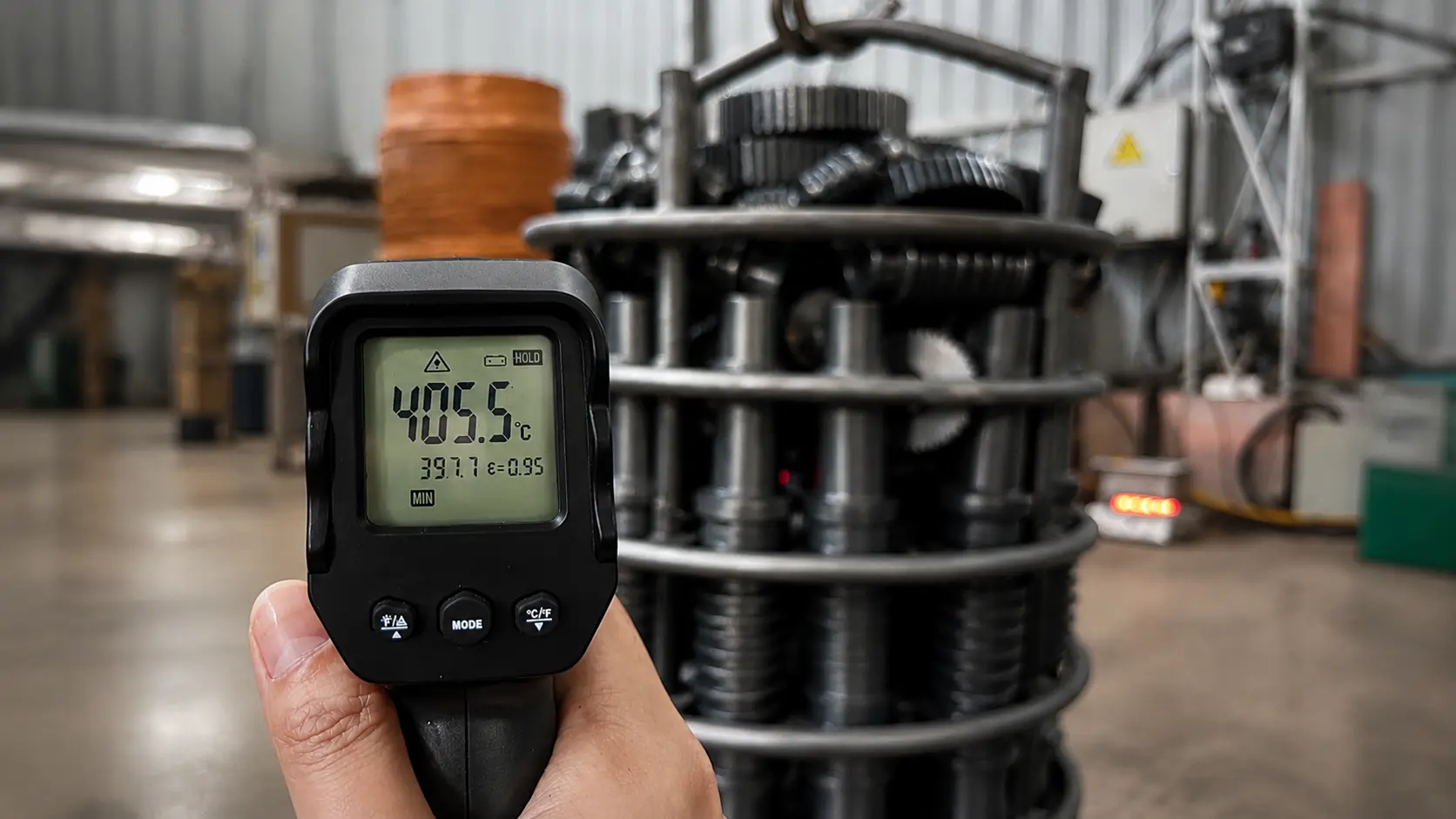
Where heat treatment is required, the objective is not simply to increase hardness. The purpose is to help balance hardness, toughness and wear resistance so that critical components can maintain stable performance under repeated operating cycles.
Precision Supports Reliable Torque Transmission
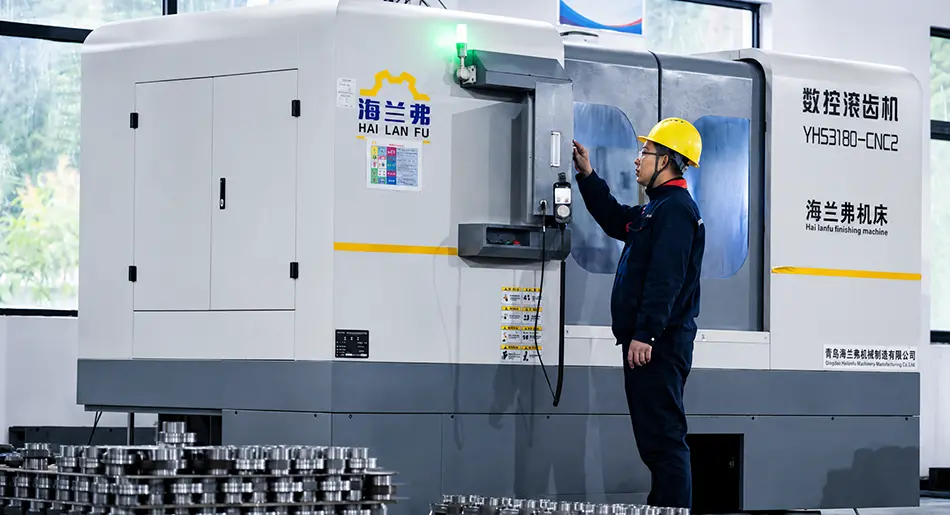
Gearbox reliability depends heavily on machining accuracy. CNC machining, gear processing and interface control help maintain alignment between the housing, shaft, bearings and valve connection. Accurate machining supports smoother assembly, better movement consistency and repeatable gearbox supply for OEM valve manufacturers.
Transmission Quality Depends on Gear Geometry
The worm and worm wheel are the core transmission pair inside a valve gearbox. Their geometry, surface quality and machining consistency influence operating smoothness and torque transfer. TFC presents gear processing as part of the reliability chain because the transmission pair determines how input force becomes controlled valve movement.
Continue ReadingBuilt as One Complete System
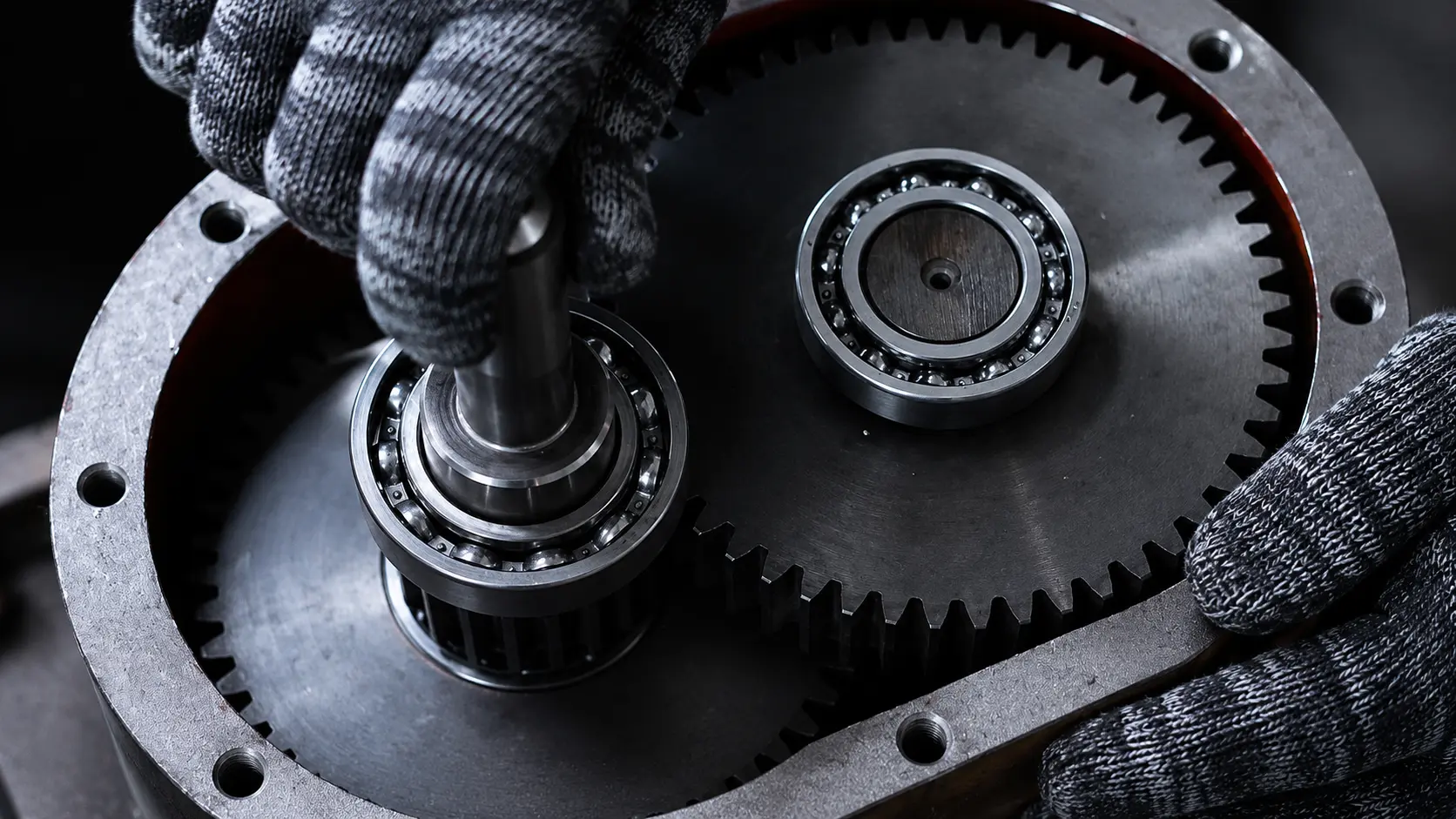
Good components do not automatically create a reliable gearbox. Assembly quality determines whether the design, materials and machining accuracy are transferred into the finished product. TFC verifies lubrication, sealing, fastener installation, mechanical movement and assembly consistency before the gearbox enters final operational verification.
Verified Before Delivery
Before shipment, each gearbox is operated under controlled conditions to confirm smooth movement, correct assembly and stable transmission behaviour. This verification helps identify abnormal resistance, assembly issues or movement inconsistency before delivery.
Interfaces Must Match the Valve and Actuator
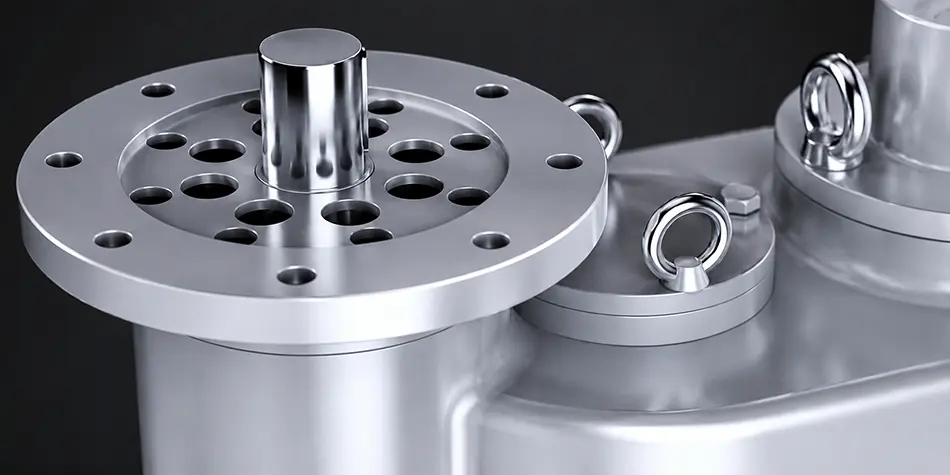
A gearbox must connect correctly with the valve, handwheel, input device or electric actuator. Interface inspection helps confirm mounting dimensions, input connection and output connection before delivery. This is especially important for OEM valve manufacturers who require repeatable assembly across multiple valve models.
Engineering Records That Travel with Every Gearbox
Reliability must remain reviewable after the gearbox leaves the factory. Inspection records, production documentation, product identification and technical files help connect the delivered gearbox with its manufacturing history.

Engineering Evidence at Every Stage
TFC reliability communication is based on process evidence rather than broad promises. The matrix below summarizes the main evidence chain: engineering review, material verification, controlled manufacturing, gear processing, assembly verification, operational check, interface inspection and traceable documentation.
- Layout Review
- Torque Path
- Interface Logic
- Material ID
- Conformity
- Traceability Start
- Hardness
- Toughness
- Wear Resistance
- Housing
- Mounting Faces
- Shaft Positions
- Worm Shaft
- Worm Wheel
- Surface Quality
- Lubrication
- Sealing
- Movement Check
- Smooth Movement
- Stable Operation
- Shipment Readiness
- Inspection Record
- Product ID
- Technical File
Discuss Your Gearbox Reliability Requirements
Share your valve type, required operating torque, mounting interface, operation mode and working environment. TFC engineering support can help review gearbox selection, interface compatibility, documentation requirements and OEM supply options based on your application.