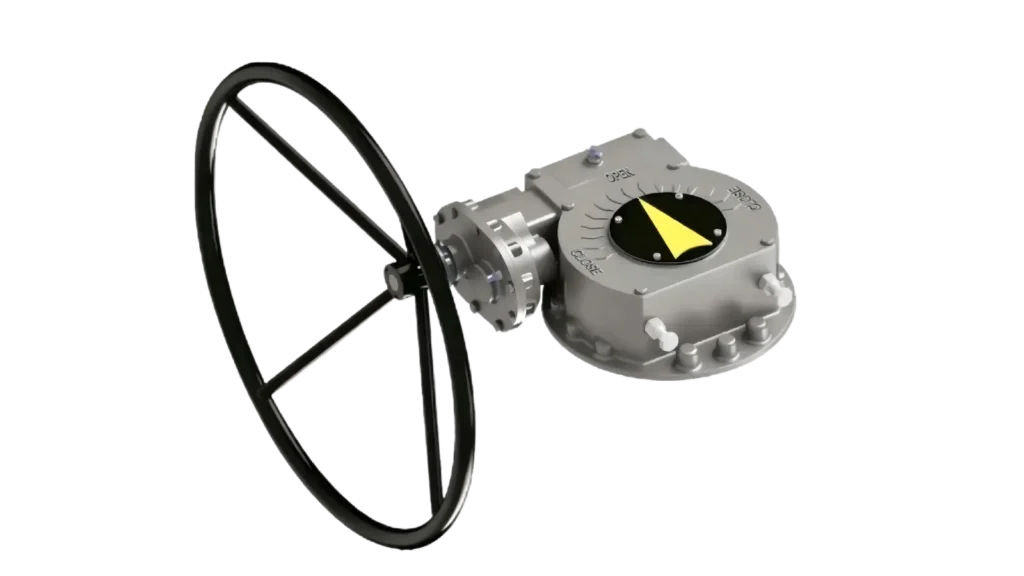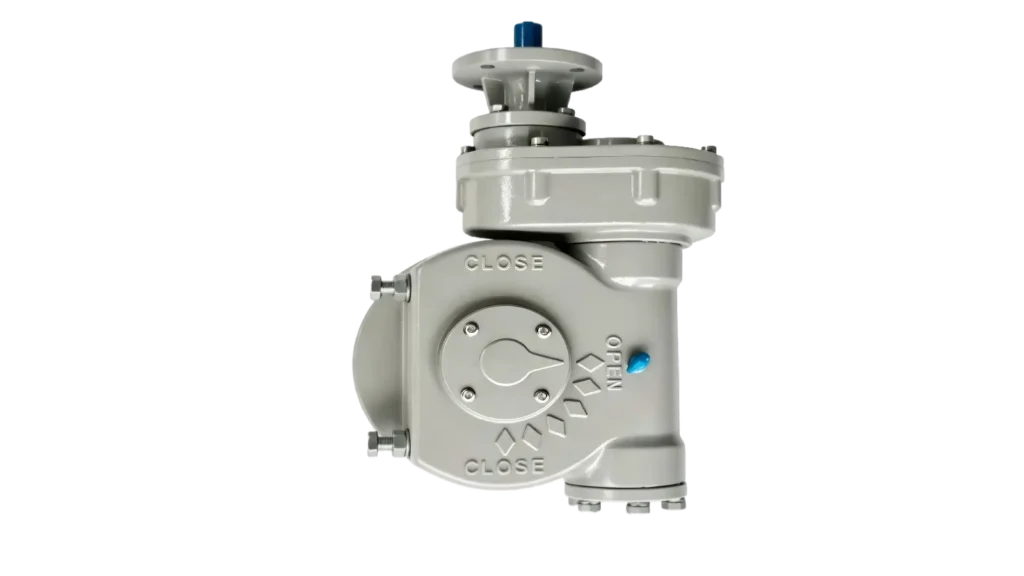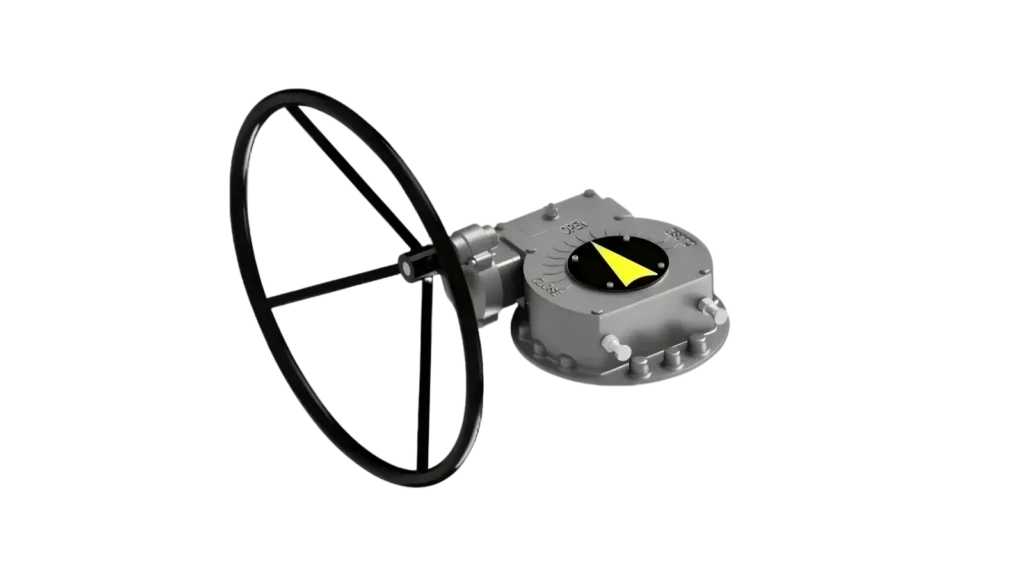

Maintenance principles for industrial valve gearboxes are often treated as simple lubrication advice, but that view creates risk. When inspection is weak, hard operation, corrosion, mounting stress, or actuator overload can be misread as gearbox failure. I use a broader approach: maintain the whole valve operation chain, not only the grease inside the housing.
Maintenance principles for industrial valve gearboxes are a condition-based reliability framework.1 They include lubrication, sealing, corrosion protection, mounting checks, fastener condition, travel limits, abnormal noise, operating resistance, and structured troubleshooting. Good maintenance does not assume every problem comes from the gearbox; it separates gearbox, valve, actuator, and installation causes before decisions are made.

Many maintenance questions I receive from valve manufacturers, EPC teams, and procurement engineers start with one symptom: “The valve is difficult to operate.” The better question is broader: what condition changed, where did the resistance start, and which component should be verified first?
Why should Maintenance principles go beyond lubrication?
Lubrication matters, but it is not the full story. If a gearbox is well greased but the sealing is damaged, the fasteners are loose, or the valve stem is misaligned, the operation can still become unreliable. I see this misunderstanding often in after-sales discussions.
Maintenance principles should go beyond lubrication because industrial valve gearboxes work as part of a connected system. A proper inspection considers grease condition, enclosure sealing, corrosion, mounting stress, input/output alignment, travel stops, torque resistance, and external operating conditions before concluding that the gearbox itself is defective.

Lubrication is only one control point
Grease reduces friction, protects gear tooth surfaces, and supports smoother torque transmission.2 However, lubrication cannot correct every problem. If water enters the housing, if dust contaminates the grease3, or if the gearbox is installed under abnormal side load, new grease alone will not restore reliable operation.
In my experience, many buyers ask whether a gearbox is “low maintenance.” That is a fair procurement question. However, low maintenance does not mean no inspection. It means the design should support stable operation with reasonable maintenance effort, provided that the gearbox is selected, installed, and used correctly.
The complete reliability picture
A practical gearbox maintenance view should include these points:
- Lubrication condition: Is grease still suitable, clean, and present in the correct area?
- Sealing condition: Are shaft seals, cover joints, and enclosure interfaces still protecting against water or dust?
- Corrosion protection: Is the paint, coating, or exposed metal surface still acceptable for the environment?
- Mounting condition: Are bolts secure, and is the gearbox seated correctly on the valve mounting flange?
- Travel limit condition: Are mechanical stops or position settings still aligned with valve travel?
- Operating feel: Has torque increased, or does movement feel uneven?
- Noise and vibration: Has the gearbox started producing abnormal sound under operation?
- External damage: Are there impact marks, cracked covers, or bent input components?
A simple comparison for maintenance evaluation
| Maintenance area | If ignored | What I suggest buyers verify |
|---|---|---|
| Lubrication | Wear, higher friction, hard operation | Grease condition and supplier instructions |
| Sealing | Water ingress, contamination, corrosion | Seal condition, cover joints, shaft interfaces |
| Fasteners | Misalignment, vibration, leakage path | Bolt tightness and mounting surface contact |
| Corrosion protection | Reduced service life, difficult operation | Coating condition and environmental exposure |
| Travel limits | Valve over-travel or under-travel | Stop setting and actuator/gearbox position alignment |
A gearbox is a torque transmission device4, but it does not work in isolation. The valve body, stem, actuator, mounting bracket, operating environment, and maintenance practice all influence performance. That is why I prefer maintenance principles that begin with system reliability, not only with a grease gun.
How do Maintenance principles reduce misdiagnosis in valve gearbox problems?
Misdiagnosis creates cost.5 A buyer may replace a gearbox when the valve stem is binding. A technician may adjust an actuator when the travel stop is wrong. A project team may blame the supplier before checking installation alignment. These mistakes delay real correction.
Maintenance principles reduce misdiagnosis by forcing a structured check of symptoms, operating history, installation, valve condition, actuator settings, and gearbox condition. The goal is not to protect one component from blame. The goal is to identify the actual source of abnormal torque, leakage, noise, or failure risk.
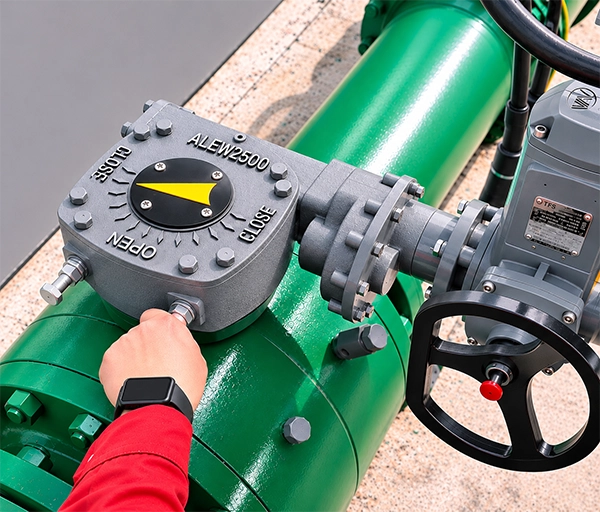
Symptoms do not identify causes by themselves
A hard-to-operate valve package can have many causes.6 The gearbox may have internal wear or contamination. The valve may have seat friction, stem damage, or process buildup. The actuator may have incorrect torque settings. The installation may create stress at the coupling or flange.
I have seen after-sales questions where one symptom is described as a gearbox defect too quickly. I do not recommend that approach. A professional evaluation should separate possible sources step by step.
Common symptoms and possible sources
| Symptom | Possible gearbox-related cause | Possible non-gearbox cause |
|---|---|---|
| Hard manual operation | Poor lubrication, internal contamination, damaged gearing | Valve seat friction, bent stem, process deposits |
| Actuator overload | Gearbox friction, incorrect ratio selection | Actuator torque setting, valve torque increase |
| Abnormal noise | Gear wear, dry contact, bearing issue | Coupling misalignment, vibration from nearby equipment |
| Leakage near housing | Seal or cover issue | External washdown, wrong installation orientation, damage |
| Valve not fully closing | Travel stop setting, output position mismatch | Valve obstruction, actuator limit setting, stem issue |
This table is not a repair manual. It is a thinking tool. It helps technical teams avoid premature conclusions.
A structured troubleshooting sequence
When a customer asks me how to judge a problem, I usually recommend a sequence like this:
-
Confirm the symptom
- Does the problem occur during opening, closing, or both?
- Is the resistance constant or only near the end of travel?
- Did the issue appear after installation, storage, operation, or maintenance?
-
Check external conditions
- Is the gearbox exposed to rain, chemical atmosphere, dust, or high humidity?
- Is there visible corrosion, impact damage, or water entry?
- Are fasteners, covers, and shaft areas visually normal?
-
Separate valve and gearbox behavior
- If safe and allowed by the official procedure, the technical team may need to evaluate valve movement and gearbox movement separately.
- This should be done by qualified personnel because valve systems can store energy or handle hazardous media7.
-
Verify actuator and travel settings
- Electric or pneumatic actuator settings can create overload if limit switches or torque switches are not adjusted correctly.8
- A gearbox can be blamed when the actuator is actually driving beyond the intended position.
-
Review documentation
- Drawings, torque requirements, ISO 5211 interface details, inspection reports, and operating records help confirm whether the supplied configuration matches the application.
Good maintenance principles protect both the buyer and the supplier. They create a fact-based discussion. They also support faster corrective action because everyone is working from evidence instead of assumptions.
When should Maintenance principles change with operating conditions?
Universal maintenance intervals sound convenient, but they can be misleading.9 A gearbox used indoors once a month does not face the same condition as a gearbox installed outdoors near salt air, dust, chemical vapor, or frequent high-load operation. The environment changes the risk.
Maintenance principles should change with operating conditions because gearbox inspection needs depend on frequency of operation, load level, temperature, humidity, dust, corrosion exposure, storage duration, installation position, and valve duty10. Buyers should follow the manufacturer’s documentation and adjust inspection plans through qualified engineering judgment.
Why fixed intervals are not enough
I avoid giving one fixed maintenance period for every industrial valve gearbox. That would sound simple, but it would not be responsible. A valve gearbox used in a clean utility system may remain stable with basic periodic inspection. A gearbox installed in a coastal plant may need closer attention to coating, seals, and external corrosion.
Also, some valves remain idle for long periods. Idle equipment can still develop problems.11 Grease may settle, exposed surfaces may corrode, seals may age, and the valve itself may become harder to move. A gearbox that has not operated for months or years should not be assumed ready without inspection.
Conditions that should increase inspection attention
Procurement and engineering teams should consider more frequent or more detailed checks when any of these conditions apply:
- Outdoor installation
- High humidity or washdown areas
- Marine or coastal atmosphere
- Chemical plant exposure
- Dusty mining or cement environments
- High or low ambient temperature
- Long storage before installation
- Long idle periods after installation
- Frequent operation
- High torque or near-limit duty
- Critical service valve packages
- Actuator-driven operation with high cycling demand
These conditions do not automatically mean the gearbox will fail. They mean the inspection plan should be more serious.
Practical condition-based logic
| Operating condition | Risk focus | Inspection emphasis |
|---|---|---|
| Long-term storage | Corrosion, seal aging, grease condition | Visual inspection before installation |
| Outdoor use | Water ingress, coating damage | Seals, covers, paint, drain/position suitability |
| Dusty environment | Contamination, abrasive wear risk | Shaft seals, housing protection, cleaning practice |
| Frequent operation | Wear, heat, fastener loosening | Lubrication, noise, backlash, mounting bolts |
| Long idle period | Sticking, corrosion, valve resistance | Trial operation and torque trend observation |
| High-load valve duty | Gear stress, actuator overload | Torque verification and correct gearbox selection |
Maintenance after storage deserves special attention
Storage is often underestimated. A gearbox may be manufactured correctly but stored poorly before installation. If it is exposed to rain, dust, or temperature swings, its condition may change before it ever reaches the valve package.
Before installation, I suggest that buyers check:
- Packaging condition
- Rust prevention condition
- Input shaft and output interface condition
- Paint or coating damage
- Seal condition
- Smooth operation without abnormal noise
- Match between gearbox model, valve torque, and mounting interface
This is especially important for OEM valve companies that assemble valve packages in batches. A gearbox may sit in inventory before final installation. Maintenance principles should cover this pre-installation stage because reliability begins before the valve reaches the project site.
What inspection points should Maintenance principles include?
A vague instruction like “inspect regularly” is not enough for industrial buyers. Technical teams need clear inspection categories. Procurement teams also need to know whether a supplier’s documentation helps them manage maintenance after delivery.
Maintenance principles should include visual inspection, lubrication review, seal condition, fastener tightness, corrosion protection, mounting alignment, travel stop verification, operating resistance, abnormal noise, actuator interface checks, and documentation review. These points help teams identify early risk before a gearbox becomes difficult to operate or unsafe to use.

Visual inspection comes first
Visual inspection is simple, but it is powerful.12 A technician can often identify the first signs of risk before disassembly or major repair is considered. I prefer visual checks because they are low-cost and support early decision-making.
Key visual points include:
- Paint damage
- Rust marks
- Loose or missing bolts
- Oil or grease leakage signs
- Broken or cracked parts
- Water entry marks
- Dust accumulation around seals
- Deformed handwheel, input shaft, or cover
- Damaged nameplate or missing identification
A visual check should be documented, especially for project valves and OEM valve packages.
Operating feel should be recorded
Industrial valve gearboxes are often judged by how they “feel” during operation. That is useful, but subjective. One operator may describe normal resistance as hard operation. Another may ignore a real increase in torque.
A better method is to record operating observations:
- Did resistance increase compared with previous operation?
- Does the gearbox move smoothly through full travel?
- Is resistance higher near open or close position?
- Does the input shaft or handwheel show vibration?
- Is there abnormal noise at a certain travel angle?
- Does the actuator stop by limit switch or torque switch?
- Does the valve reach the correct final position?
For manual gearboxes, operating feel matters. For actuator-ready gearboxes, actuator feedback and setting confirmation also matter.
The actuator interface should not be ignored
Many industrial valve gearboxes are connected to electric actuators. In those cases, maintenance principles must include the actuator interface. A gearbox can be correctly manufactured, but an incorrect actuator setting may still create overload.
Important checks include:
| Interface area | What to verify |
|---|---|
| ISO 5211 mounting | Flange size, bolt pattern, seating condition |
| Input connection | Square, keyway, sleeve, or adapter fit |
| Travel setting | Open/close position alignment |
| Torque setting | Suitability for valve and gearbox package |
| Coupling condition | No excessive play or misalignment |
| Fasteners | Correct tightening and no looseness |
TFC’s own engineering discussions often focus on compatibility because valve gearbox performance depends heavily on interface accuracy. For buyers, this means drawings and mounting details are not paperwork only. They are maintenance tools.
Documentation supports maintainability
A maintainable gearbox package should come with proper documentation. Buyers should request and keep relevant documents, such as:
- General arrangement drawings
- Mounting interface drawings
- Operation and maintenance instructions
- Material certificates where applicable
- Inspection reports
- Torque testing records where required
- Model identification and traceability information
- Coating or surface treatment information when relevant
These documents help future maintenance teams understand what was supplied. They also help procurement teams compare suppliers more objectively.
A gearbox that cannot be identified, traced, or matched to its documentation becomes harder to maintain over a long project life.
Good maintenance principles are practical. They do not require unnecessary complexity. They require the right checkpoints, recorded observations, and disciplined evaluation.
How should buyers evaluate supplier support for Maintenance principles?
A gearbox supplier should not only ship products. For valve manufacturers and EPC teams, supplier support affects selection, installation, maintenance, and future troubleshooting. If documentation is weak, the buyer carries more risk after delivery.
Buyers should evaluate supplier support for maintenance principles by checking engineering communication, inspection documentation, torque and interface confirmation, OEM cooperation, traceability, maintenance instructions, and responsiveness during technical questions. A reliable supplier helps buyers maintain valve packages through evidence, not only through product claims.

Maintenance starts during supplier selection
Procurement teams often compare price, delivery, and model availability. Those factors matter. However, for industrial valve gearboxes, I believe supplier evaluation should also include maintainability.
A gearbox that is difficult to identify, lacks drawings, or has unclear interface information may create trouble later. A slightly lower purchase price can become expensive if the valve package becomes difficult to inspect, repair, or support.
What buyers should request before approval
Before approving a valve gearbox supplier, buyers can ask for:
-
Technical drawings
- Mounting dimensions
- Input and output interface
- Overall dimensions
- ISO 5211 compatibility where applicable
-
Selection confirmation
- Valve torque basis
- Safety factor approach, if defined by the buyer or project specification
- Gearbox ratio and output torque suitability
- Manual or actuator-driven operation requirement
-
Quality evidence
- Dimensional inspection records
- Material certificates where required
- Assembly verification
- Torque testing documentation when applicable
- Traceability information
-
Maintenance documentation
- Lubrication guidance
- Storage recommendations
- Installation precautions
- Inspection points
- Troubleshooting guidance at a principle level
-
OEM support
- Customized branding where required
- Model configuration support
- Actuator compatibility discussion
- Long-term production consistency
TFC positions gearbox supply as an engineering cooperation, not a commodity exchange. That matters because maintenance risk is connected to selection accuracy and documentation quality.
Supplier evaluation matrix
| Evaluation item | Why it matters for maintenance | Buyer question |
|---|---|---|
| Engineering response | Reduces selection and installation errors | Can the supplier discuss torque, interface, and application clearly? |
| Documentation quality | Supports future inspection and troubleshooting | Are drawings and instructions complete enough for technical teams? |
| Manufacturing consistency | Reduces variation between batches | Can the supplier provide inspection evidence? |
| Traceability | Helps after-sales analysis | Can the product be identified after delivery? |
| OEM cooperation | Supports long-term valve package stability | Can the supplier keep configuration stable over repeat orders? |
| Actuator compatibility | Prevents overload and interface issues | Are ISO 5211 and actuator inputs confirmed? |
The best supplier conversations are specific
I prefer maintenance discussions that include real operating context. A buyer should share:
- Valve type and size
- Required torque or torque curve if available
- Manual or automated operation
- Operation frequency
- Indoor or outdoor installation
- Ambient temperature range
- Corrosion exposure
- Project standards
- Mounting interface requirements
- Storage period before installation
With this information, a supplier can provide more useful guidance. Without it, maintenance advice becomes generic. For application-specific decisions, buyers should always rely on manufacturer documentation and qualified engineering evaluation.
Frequently Asked Questions
Are industrial valve gearboxes maintenance-free?
No industrial valve gearbox should be treated as completely maintenance-free. Some designs may be low maintenance, but periodic inspection is still necessary. Buyers should check lubrication condition, seals, corrosion, mounting bolts, travel settings, and operating resistance according to manufacturer documentation and actual operating conditions.
How often should a valve gearbox be inspected?
Inspection frequency depends on operating frequency, load, environment, valve duty, storage time, and project requirements. A gearbox in harsh outdoor service usually needs closer attention than one used indoors under light duty. I recommend using the supplier’s manual and qualified engineering judgment instead of one universal interval.
Why does a valve gearbox become hard to operate?
Hard operation may come from gearbox lubrication, internal contamination, gear damage, valve seat friction, stem condition, actuator settings, mounting misalignment, or process buildup. A structured troubleshooting process should separate gearbox, valve, actuator, and installation causes before any component is blamed or replaced.
What documents help maintenance teams after delivery?
Useful documents include arrangement drawings, interface drawings, operation and maintenance instructions, inspection reports, torque test records when applicable, material certificates where required, and traceability information. These documents help technical teams confirm what was supplied and support future troubleshooting.
Should buyers inspect gearboxes after long storage?
Yes. Long storage can affect coating condition, exposed metal surfaces, seals, grease condition, and general cleanliness. Before installation, buyers should inspect the gearbox visually, confirm smooth operation, check identification, and verify that the model and interface still match the valve package requirements.
Conclusion
Maintenance principles for industrial valve gearboxes should be treated as a risk-control system, not a simple lubrication task. I recommend checking lubrication, sealing, corrosion, mounting, fasteners, travel limits, operating resistance, actuator interface, and documentation as one connected framework. This approach helps buyers avoid misdiagnosis and manage long-term valve package reliability. If your team is evaluating gearbox suppliers or OEM valve gearbox configurations, contact TFC with your valve torque, interface, actuator, and operating condition requirements for engineering review.
"RCM GUIDE", https://www.nasa.gov/wp-content/uploads/2023/06/nasa-rcmguide.pdf. NASA reliability-centered maintenance guidance describes condition monitoring and inspection as methods for identifying degradation and preserving equipment function; this supports the maintenance-framework concept, although it is not specific to industrial valve gearboxes. Evidence role: definition; source type: government. Supports: Condition-based maintenance uses inspections and observed equipment condition to preserve function and manage reliability.. Scope note: The support is contextual because it addresses reliability-centered maintenance generally rather than valve gearboxes specifically. ↩
"The Effect of Selected Grease Components on the Wear Behavior ...", https://asmedigitalcollection.asme.org/tribology/article/138/1/011602/472654/The-Effect-of-Selected-Grease-Components-on-the. Tribology research on grease lubrication shows that grease can form a lubricating film that reduces friction and wear in loaded mechanical contacts, supporting its role in protecting gear tooth surfaces during torque transmission. Evidence role: mechanism; source type: paper. Supports: Grease lubrication can reduce friction and wear in mechanical contacts, including gear contacts.. ↩
"LUBRICATION, FRICTION, AND WEAR", https://ntrs.nasa.gov/api/citations/19710021995/downloads/19710021995.pdf. Research on lubricant contamination reports that water and solid particles can degrade lubricant performance and increase wear or corrosion in mechanical components; this supports the inspection concern, although the evidence is typically for lubricated machinery broadly rather than valve gearboxes alone. Evidence role: mechanism; source type: research. Supports: Water and particulate contamination in lubricants can accelerate wear, corrosion, or loss of lubrication effectiveness.. Scope note: The support is contextual because contamination studies often involve bearings, gears, or lubricated machine elements generally. ↩
"Gear train", https://en.wikipedia.org/wiki/Gear_train. An encyclopedia entry on gear trains defines gears as mechanisms that transmit torque and rotational motion between shafts, supporting the description of a gearbox as a torque-transmission device. Evidence role: definition; source type: encyclopedia. Supports: Gearboxes or gear trains transmit torque and modify speed or direction between rotating shafts.. ↩
"Root-cause analysis", https://en.wikipedia.org/wiki/Root-cause_analysis. Maintenance diagnostics literature identifies incorrect fault diagnosis as a cause of unnecessary maintenance actions and prolonged downtime, supporting the claim that misdiagnosis can create cost; the evidence is general to industrial maintenance rather than valve gearboxes specifically. Evidence role: general_support; source type: research. Supports: Fault misdiagnosis in maintenance can lead to unnecessary component replacement, delayed corrective action, and downtime-related costs.. Scope note: The support is contextual because it concerns maintenance diagnostics across equipment types. ↩
"Testing of dc-Powered Actuators for Motor-Operated Valves ...", https://www.nrc.gov/regulations-legislation/nureg-series-publications/publications-prepared-by-nrc-contractors/cr6620. Government technical material on motor-operated valves discusses operating problems involving valve load, stem friction, actuator settings, and mechanical components, supporting the article's point that hard operation can have several possible causes. Evidence role: general_support; source type: government. Supports: Valve operating difficulty can arise from valve internals, stem friction, actuator settings, installation, or drive components.. Scope note: The support is contextual because many government valve references focus on safety-related or motor-operated valves rather than every industrial valve gearbox. ↩
"Control of Hazardous Energy (Lockout/Tagout) - Overview", https://www.osha.gov/control-hazardous-energy. OSHA guidance on hazardous energy control recognizes that maintenance work can expose personnel to stored energy sources and hazardous releases, supporting the caution that valve-system troubleshooting should follow qualified procedures. Evidence role: general_support; source type: government. Supports: Maintenance on pressurized or hazardous process systems can involve stored energy and hazardous media and requires controlled procedures.. ↩
"Motor Operated Valves Course - 05- MOV Controls Slides.", https://www.nrc.gov/docs/ML1134/ML11347A390.pdf. Nuclear Regulatory Commission material on motor-operated valves describes the importance of actuator limit and torque switch settings for proper valve operation, supporting the claim that incorrect settings can contribute to overload or improper travel. Evidence role: mechanism; source type: government. Supports: Improper limit-switch or torque-switch settings in valve actuators can cause incorrect travel or excessive operating load.. ↩
"(PDF) An overview of time-based and condition-based maintenance in ...", https://www.academia.edu/31927899/An_overview_of_time_based_and_condition_based_maintenance_in_industrial_application_q. Condition-based maintenance research argues that maintenance timing should be informed by equipment condition, operating load, and degradation indicators rather than fixed calendar intervals alone, supporting the article's caution against universal intervals. Evidence role: expert_consensus; source type: paper. Supports: Maintenance intervals should consider operating condition, duty severity, and degradation evidence rather than relying only on universal time intervals.. ↩
"Preferred Reliabilty Practices - Environmental Factors", https://extapps.ksc.nasa.gov/reliability/Documents/Preferred_Practices/1101.pdf. ISO 9223 and related corrosion-classification guidance identify humidity, temperature, and atmospheric contaminants as factors in corrosion severity, supporting the article's claim that inspection needs change with environmental exposure; the standard addresses corrosion context rather than complete gearbox maintenance planning. Evidence role: general_support; source type: institution. Supports: Environmental severity, including humidity, temperature, pollutants, and contaminants, affects corrosion and equipment degradation risk.. Scope note: The support is contextual because corrosion-classification standards do not by themselves define full valve-gearbox inspection intervals. ↩
"storage preservation of machinery", https://oaktrust.library.tamu.edu/bitstream/1969.1/163646/1/T1435-46.pdf. Government equipment-preservation guidance notes that stored machinery can suffer corrosion, lubricant deterioration, and seal or surface degradation, supporting the need to inspect idle equipment before returning it to service. Evidence role: general_support; source type: government. Supports: Stored or idle mechanical equipment can degrade through corrosion, lubricant changes, seal aging, or contamination and should be inspected before use.. ↩
"Visual Inspection for Aircraft", https://www.faa.gov/documentLibrary/media/Advisory_Circular/43-204.pdf. Nondestructive examination guidance recognizes visual testing as a primary method for identifying visible surface defects, corrosion, damage, and abnormal conditions, supporting the article's emphasis on visual inspection as an early maintenance step. Evidence role: general_support; source type: institution. Supports: Visual inspection is a recognized nondestructive examination method for detecting visible defects, damage, corrosion, and other degradation indicators.. ↩