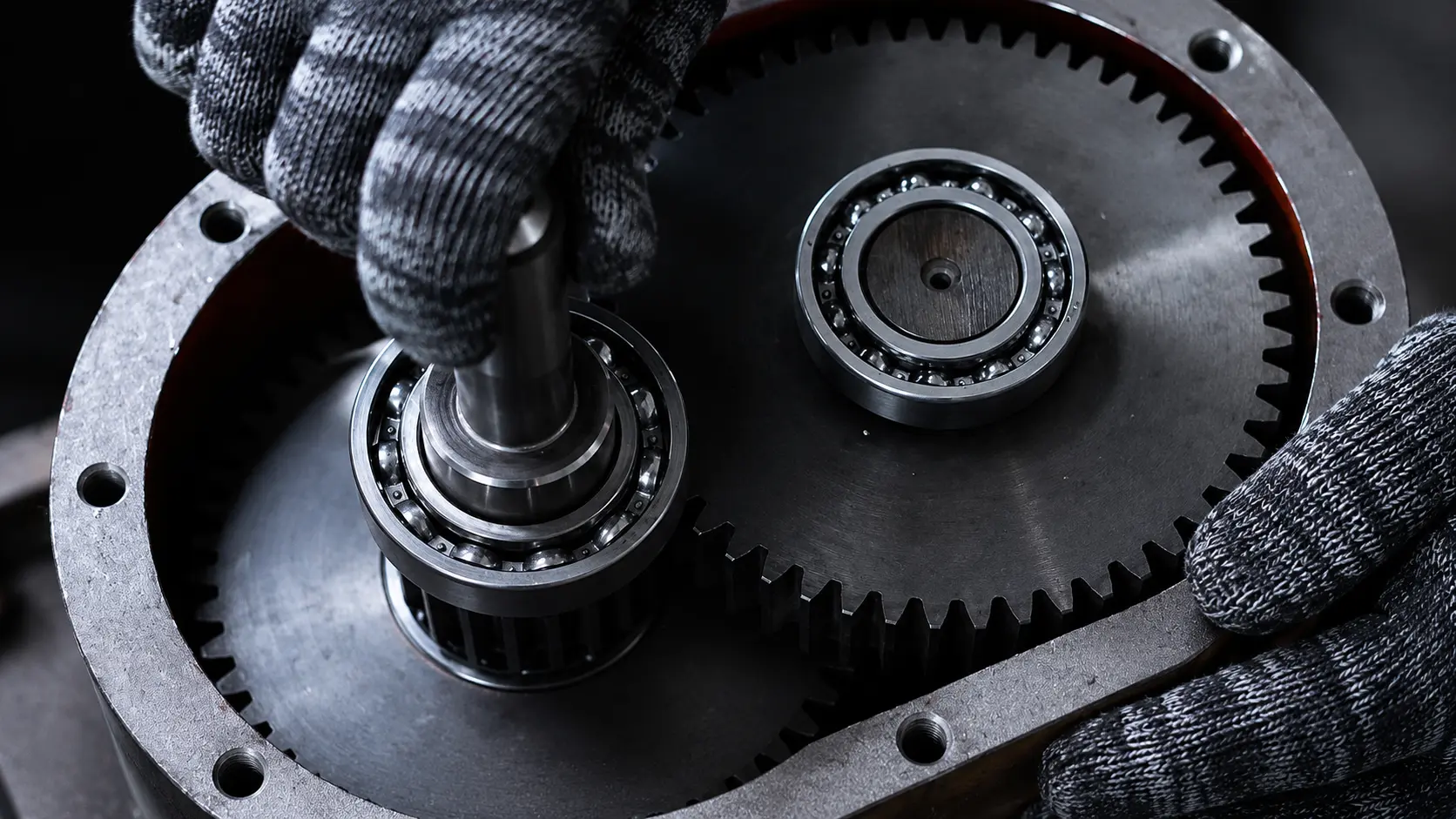
Understanding torque transmission is essential for industrial engineering managers, OEM project teams, and procurement specialists tasked with selecting reliable gearbox systems. Proper torque calculation, material selection, and design evaluation directly influence operational efficiency and long-term performance.1 Let’s explore practical strategies that minimize engineering risk and drive confident decision-making.
Torque transmission in industrial applications centers around ensuring the consistent transfer of mechanical force across systems without compromising reliability or efficiency. This involves balancing theoretical calculations, material durability, and system design compatibility, all while addressing unique operational demands. Missteps in evaluation can lead to costly downtime, performance failures, or excessive over-engineering.

From gearbox selection to analyzing the physics of torque, let’s unpack the practical insights that industrial teams need most.
Why is torque calculation critical?
Miscalculating torque requirements can cause either significant underperformance or unnecessary over-engineering.2
Precise torque calculations are fundamental when matching gearboxes with valve systems or other equipment. Underestimating torque can lead to operational failures or damage due to insufficient force.3 Over-engineering, on the other hand, generates unnecessary material costs, energy consumption, and procurement delays.
In industrial setups, torque miscalculation often stems from failing to account for factors such as system friction, unexpected load conditions, or temperature extremes.4 These variables directly affect not only the transmission system's durability but also its ability to perform consistently.
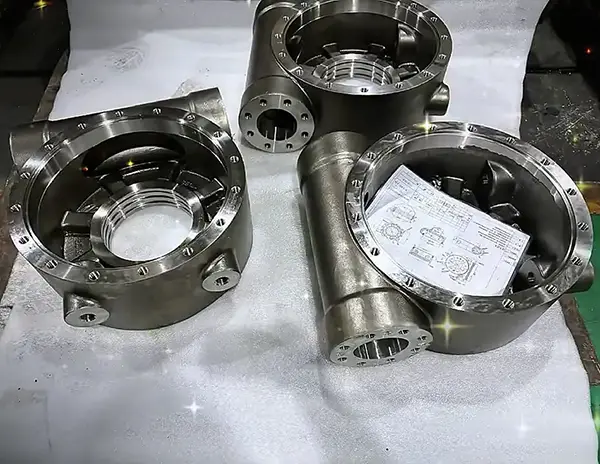
Real-world examples and considerations:
For instance, a client once explained their gearbox failure during a chemical plant startup. They had under-calculated torque to manage a valve under fluctuating pressure conditions. A slight misjudgment led to mechanical breakdown and delayed production timelines. The solution required recalculating dynamic and static torque forces to ensure the gearbox could manage unexpected spikes under varying conditions.
When calculating torque:
- Consider all operating forces beyond nominal values.
- Use conservative safety factors appropriate to the specific industry.
- Collaborate with engineering experts to confirm complex requirements.
A tool I recommend for estimating torque is a torque calculation formula integrating application load and shaft rotation frequency, specifically tailored to valve-gearbox systems.
How does material selection impact reliability?
Material choice directly influences the durability, wear resistance, and load capacity of torque transmission systems.
Selecting appropriate materials for gearboxes or transmission components is vital for handling industrial stress conditions. For example, high-strength metals, such as carbon steel or alloy steel, offer excellent durability but may struggle with corrosion in marine environments.5 Conversely, lightweight composites provide efficiency in specific cases but might lack the load-bearing capacity needed for heavy-duty configurations.6
Each material carries trade-offs between wear resistance, environmental compatibility, and long-term performance.7 Ignoring these factors risks premature wear, operational inefficiencies, or even critical system failure.
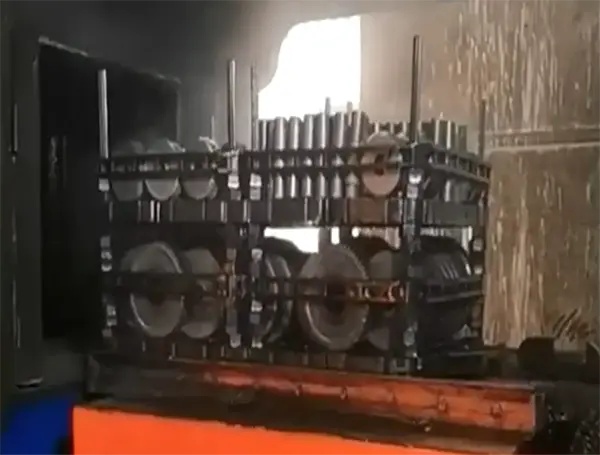
Breaking it down:
When guiding customers, it’s clear that application conditions dictate material choice. For instance:
- High-load applications: Use treated alloy steel or ductile iron for superior load capacity.
- Corrosive environments: Stainless steel or special coatings succeed in resisting chemical interactions.
- Extreme temperatures: Heat-resistant alloys maintain performance reliability under fluctuating temperatures.
Material compatibility tables, verified by independent OEM testing, help verify the proper selection alongside fatigue testing and environmental simulation outcomes.
Cost considerations aside, aligning materials with the specific torque demands ensures that transmission reliability will not falter from overlooked weaknesses.
What transmission design schemes work best?
Transmission design schemes have varying efficiency and reliability trade-offs depending on industrial demands.
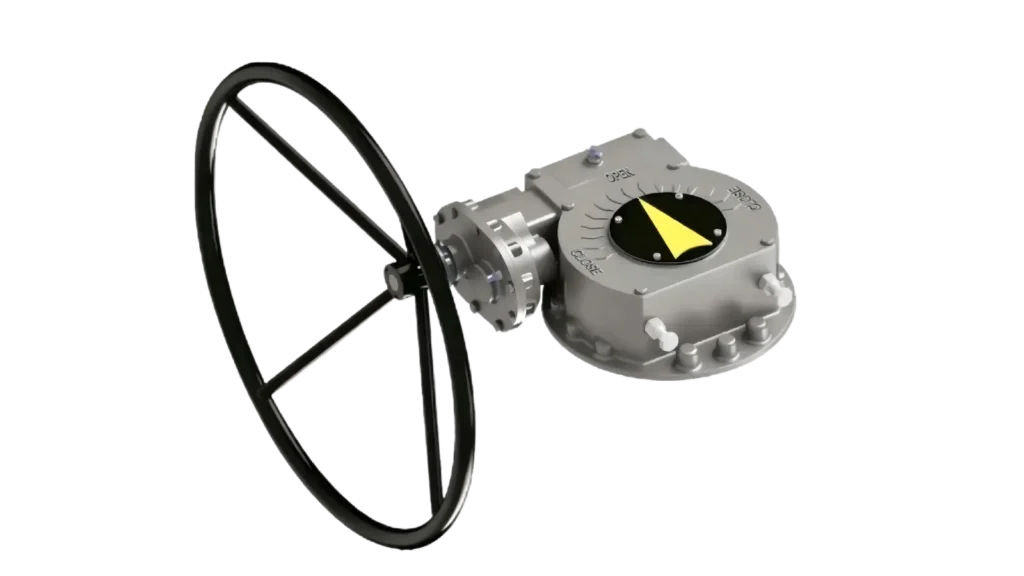
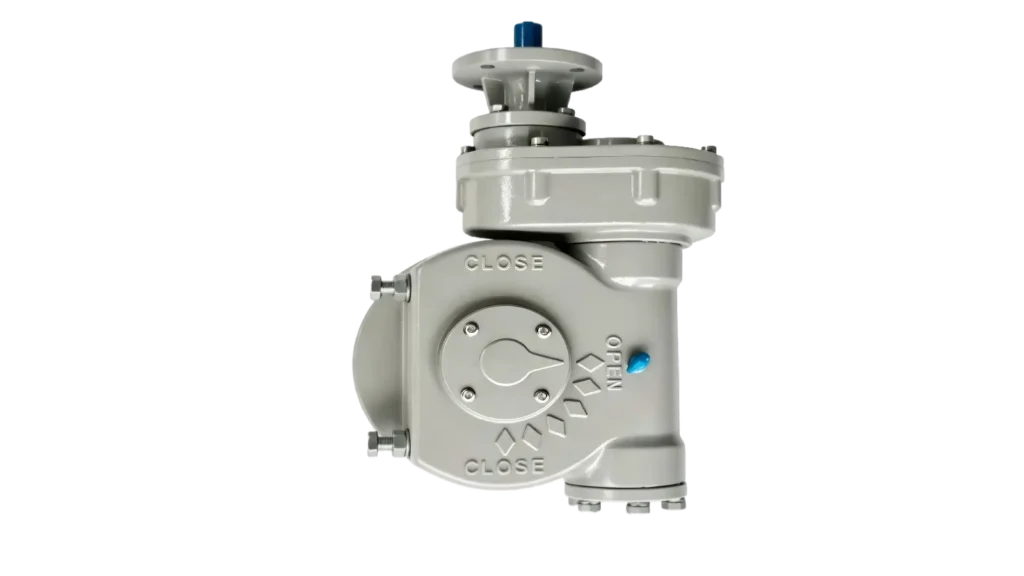
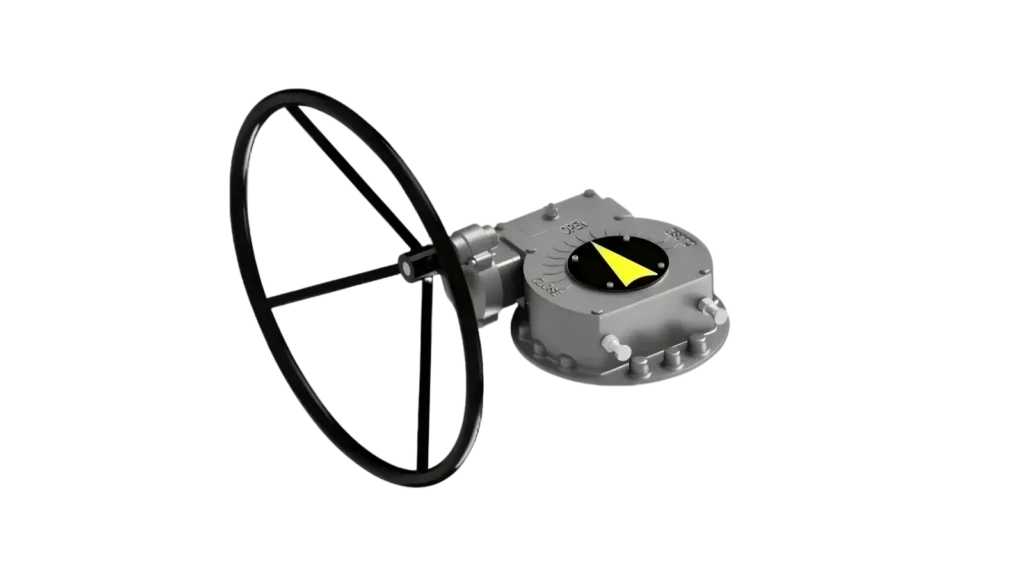
From worm gearboxes to bevel configurations, each design serves distinct purposes. Worm gear systems, for example, deliver high torque output while enabling compact forms and self-locking mechanisms. However, they can lose efficiency due to inherent sliding friction.8 Bevel gears, on the other hand, excel at transferring torque between perpendicular shafts but often require precision assembly to avoid alignment issues.9
Understanding the trade-offs between designs ensures that engineering managers select the ideal type for both operational and cost-efficiency goals.
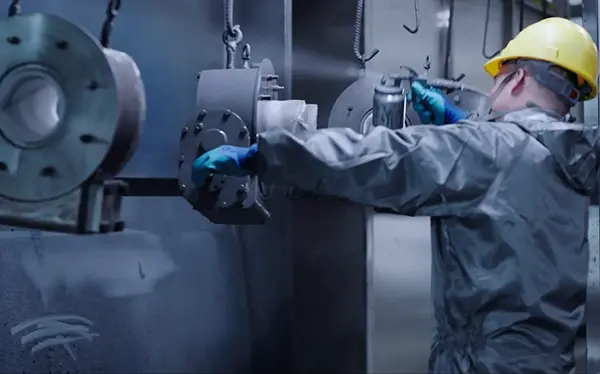
Comparison of design schemes:
| Transmission Type | Efficiency | Key Advantages | Potential Limitations |
|---|---|---|---|
| [Worm Gearboxes | Low (~60%)](https://digitalscholarship.tsu.edu/cgi/viewcontent.cgi?article=1107&context=facpubs)%%%FOOTNOTE_REF_10%%% | Compact, self-locking | High wear due to friction |
| Bevel Gearboxes | Medium (~75%) | High directional flexibility | Requires precision alignment |
| Spur Gears (Multi-turn) | High (~90%) | Efficient power transfer | Limited to linear transmission |
| Planetary Gear Systems | Very High (~95%) | Compact + high torque ratio | Complex assembly + higher costs |
When discussing a refinery upgrade project with an engineering manager recently, they struggled with whether to employ planetary gear systems or stick with spur configurations. Despite planetary setups offering greater efficiency, their complexity was mismatched for the simpler torque needs of valve actuation in their plant's infrastructure.
Key takeaways:
- Opt for efficiency-optimized designs when energy savings are pivotal.
- Select reliability-oriented designs to minimize mechanical wear.
- Weigh maintenance costs against long-term savings before committing.
How do theory and practice align in torque transmission?
Theoretical knowledge of torque transmission is indispensable, but real-world applications require context-driven adjustments.
When theory meets practice, gaps emerge due to varying environmental factors, manufacturing tolerances, or operational realities. For example, torque efficiency calculations often assume perfect alignment—whereas, in real setups, small misalignments introduce losses.
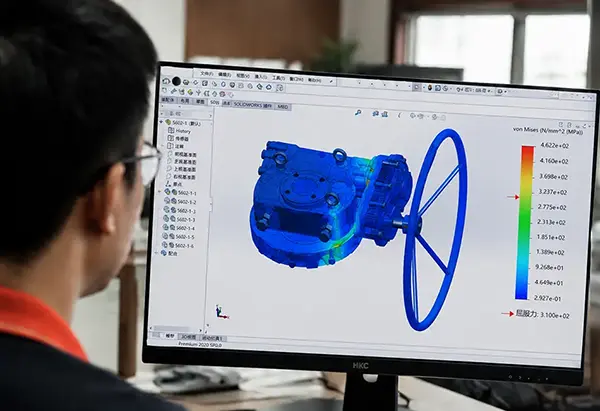
Practical strategies for alignment:
- Integrate real-world factors into design parameters: Consider misalignments, actuating forces, and thermal influences.
- Run operational simulations: Validate theoretical calculations through tests that replicate valve cycling under full load.
- Communicate uncertainties during procurement: Avoid over-promising and suggest tests like torque verification on-site.
Recently, during a procurement discussion with an EPC contractor, they shared their challenges in reducing engineering risks in new LNG facility installations. By narrowing theoretical specs to align with practical testing data, they found torque transmission reliability improved not through more advanced technology but by minimizing misalignment during installation. A well-planned alignment reduced premature wear by 20%.
Frequently Asked Questions
What happens if torque requirements are underestimated?
Underestimating torque risks operational failures. Gearboxes may stall, overheat, or break under load, especially in heavy-duty applications. Always include safety margins and consult torque testing reports to prevent unforeseen stress conditions.
How do I verify gearbox material suitability?
Review material certificates and testing reports to confirm wear resistance, load tolerance, and environmental compatibility. Communicating with suppliers who understand application-specific needs improves reliability assessments.
Is gearbox design efficiency more important than durability?
Efficiency and durability should be balanced based on application needs. High-efficiency designs save energy but may lack reliability under extreme or fluctuating loads. Choose designs aligned to both torque demands and lifespan expectations.
Conclusion
Evaluating torque transmission is a nuanced process requiring technical precision and practical insights. Proper torque calculations prevent costly underperformance or over-engineered solutions. Effective material selection balances environmental compatibility with load capacity, ensuring transmission reliability. By comparing gearbox design schemes and aligning theoretical knowledge with practical application, industrial teams minimize engineering risks and create consistent performance.
TFC specializes in engineering-driven industrial gearbox solutions, focusing on torque transmission reliability for valve manufacturers and OEM partners. Contact us to discuss how our expertise can reduce your project risks.
"Geared Power Transmission Technology", https://ntrs.nasa.gov/api/citations/19830011851/downloads/19830011851.pdf. A mechanical engineering reference describes gearbox performance as dependent on load sizing, material properties, lubrication, geometry, and operating conditions, supporting the article’s general link between torque calculation, material selection, design evaluation, and long-term performance. Evidence role: general_support; source type: education. Supports: A mechanical engineering source should support that torque sizing, material properties, and gear design choices affect power transmission efficiency and service life.. Scope note: The source is expected to support the engineering relationship generally, not validate any particular gearbox product or project outcome. ↩
"Factor of safety", https://en.wikipedia.org/wiki/Factor_of_safety. Mechanical design guidance on load estimation and safety factors supports the principle that torque capacity below service demand risks malfunction or failure, while excessive design margins can increase size, cost, and system inefficiency. Evidence role: general_support; source type: education. Supports: An engineering design source should explain that undersizing torque capacity can cause failure or poor performance, while excessive safety margins can increase cost, size, and inefficiency.. Scope note: The source would support the general design principle rather than quantify the frequency or cost of such miscalculations. ↩
"Gearbox failures rarely begin with overload. They ...", https://www.instagram.com/reel/DWPmpRvjGT9/. Technical guidance on drive and actuator sizing indicates that insufficient torque capacity can prevent movement under load and may lead to stalling, overheating, or mechanical damage when equipment is forced to operate beyond its rated capability. Evidence role: mechanism; source type: institution. Supports: A standards body, engineering handbook, or institutional guide should support that inadequate torque capacity can cause stalling, overload, overheating, or component damage.. Scope note: The source would support the general failure mechanism, not any specific failure incident in the article. ↩
"Motor Operated Valves Course - 03 - Design Basis ...", https://www.nrc.gov/docs/ML1134/ML11347A380.pdf. Engineering literature on mechanical transmissions identifies friction, service load variation, and temperature-dependent effects such as lubricant viscosity and material behavior as factors that can alter required torque and transmitted power. Evidence role: mechanism; source type: research. Supports: A technical source should explain how frictional resistance, varying loads, and temperature-dependent material or lubricant behavior affect torque demand.. Scope note: The source would provide mechanistic context and may not address every industrial setup described in the article. ↩
"Marine Atmospheric Corrosion of Carbon Steel: A Review - PMC", https://pmc.ncbi.nlm.nih.gov/articles/PMC5506973/. Materials and corrosion references describe carbon and low-alloy steels as widely used for their mechanical strength but susceptible to corrosion in chloride-containing marine environments without suitable alloying, coatings, or cathodic protection. Evidence role: general_support; source type: research. Supports: A materials or corrosion source should support the contrast between strength advantages of carbon/alloy steels and their corrosion susceptibility in chloride-rich marine environments.. Scope note: The source would support the material behavior generally; actual corrosion resistance depends on alloy composition, coating system, exposure, and maintenance. ↩
"Design of nylon-carbon fiber composite gears", https://scholar.utc.edu/cgi/viewcontent.cgi?article=2145&context=theses. Research on composite mechanical components reports weight-reduction advantages but also notes that load capacity, fatigue behavior, thermal limits, and wear resistance can constrain their use in highly loaded power-transmission applications. Evidence role: general_support; source type: paper. Supports: A peer-reviewed source should support that composites can reduce weight but may have load, fatigue, temperature, or wear constraints compared with metals in heavy-duty mechanical transmission components.. Scope note: The source would provide contextual support; suitability depends strongly on the specific composite system, gear geometry, duty cycle, and operating environment. ↩
"Corrosion, Fatigue and Corrosion Protection of Metals ... - PMC", https://pmc.ncbi.nlm.nih.gov/articles/PMC13165340/. Materials selection literature treats engineering material choice as a multi-criteria decision involving mechanical strength, wear behavior, corrosion or environmental compatibility, fatigue life, manufacturability, and cost. Evidence role: expert_consensus; source type: education. Supports: A materials selection source should support that material choice involves balancing mechanical, tribological, corrosion, environmental, and life-cycle performance requirements.. Scope note: The source would support the selection framework generally, not prescribe the best material for a specific gearbox. ↩
"Transient friction and wear simulation of worm gears during ...", https://gearsolutions.com/features/transient-friction-and-wear-simulation-of-worm-gears-during-running-in/. Studies of worm-gear tribology attribute a significant portion of worm-drive power loss to sliding contact and friction at the worm-wheel mesh, which helps explain why efficiency can be lower than in predominantly rolling gear contacts. Evidence role: mechanism; source type: paper. Supports: A tribology or gear-design source should support that sliding contact in worm gears produces frictional losses that can reduce efficiency.. Scope note: Actual efficiency varies with gear geometry, materials, lubricant, surface finish, speed, and load. ↩
"Types, Processes, and Applications for Bevel Gears", https://www.iqsdirectory.com/articles/gear/bevel-gear.html. Gear-design references define bevel gears as gears for transmitting motion between intersecting shafts, often at right angles, and note that mounting accuracy is important for proper tooth contact, noise, wear, and load distribution. Evidence role: definition; source type: education. Supports: A gear-design source should support that bevel gears transmit motion between intersecting shafts, commonly at right angles, and that accurate mounting affects tooth contact and performance.. Scope note: The source would support typical bevel-gear practice; the degree of alignment sensitivity varies by bevel gear type and manufacturing quality. ↩
"Design sizing of cylindrical worm gearsets", https://digitalscholarship.tsu.edu/cgi/viewcontent.cgi?article=1107&context=facpubs. Gear-design references report that worm-drive efficiency spans a wide range and can be near 60% for certain high-ratio or high-sliding configurations, supporting the article’s use of 60% as an approximate contextual value. Evidence role: statistic; source type: education. Supports: A gear-design reference should support that worm gearbox efficiency can be comparatively low and may fall around 60% depending on ratio, lead angle, lubrication, and load.. Scope note: The figure is not universal; some worm gear designs are substantially more or less efficient depending on geometry, lubrication, and operating conditions. ↩